Is the Rolex Yacht-Master 40 Worth the Investment in 2026?
Based on 2026 sales data, the Rolex Yacht-Master 40 (ref. 16622) has dropped 12.5% in price. Explore its current market value, investment potential, and whether it's a smart buy now.
Is the Rolex Yacht-Master 40 Worth the Investment in 2026?
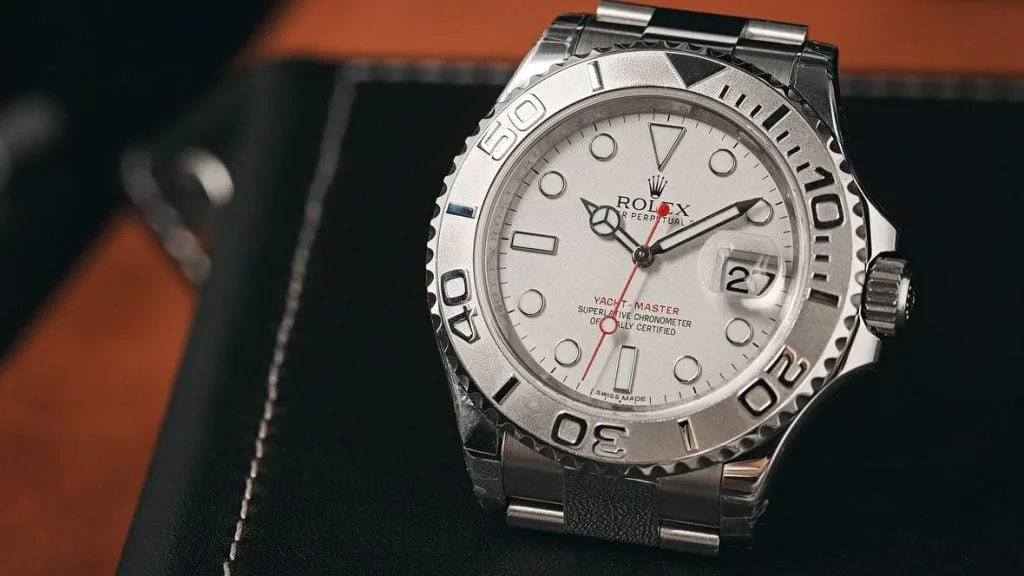
As of September 2026, the Rolex Yacht-Master 40 (reference 16622) has experienced a notable decline in average sale price—down 12.5% compared to the same period in 2025. This shift places the watch at its lowest entry point in years, making it an attractive option for buyers seeking a platinum-bezel Rolex sports watch under $10,500. However, this price drop is not indicative of a broader market collapse but rather a recalibration following pandemic-era price surges.
The data comes from completed sales at Bob’s Watches, ensuring accuracy by excluding listings or estimates. Between January 1 and August 31, 2025, the average sale price for the Yacht-Master 40 ref. 16622 was $11,653. By the same period in 2026, it had fallen to $10,191. Sales volume for this reference more than doubled year over year, confirming that the price decrease reflects sustained market activity rather than isolated transactions.
While some may view this as a sign of declining value, the overall Rolex market remains strong. The median Rolex reference rose approximately 10% during the same period, indicating that most models continue to appreciate. The Yacht-Master 40’s decline is part of a larger trend where certain discontinued or momentum-driven models are cooling after periods of hype, while core steel sports watches maintain or increase in value.
This article examines the current market position of the Yacht-Master 40, analyzes the reasons behind its price drop, and evaluates whether it remains a sound investment in 2026.
Why Has the Yacht-Master 40 (Ref. 16622) Lost Value?
The price decline of the Yacht-Master 40 ref. 16622 is primarily attributed to reduced momentum-driven demand. The model saw increased interest during the popularity surge of newer Yacht-Master variants, which created a secondary-market premium. As that momentum waned, so did the demand for the older model.
According to Bob’s Watches analysis, the 16622 “rode upward in the wake of the current Yacht-Master’s popularity, and that tow-rope has slackened.” This suggests that the earlier price increases were partly speculative, tied to the success of newer releases rather than intrinsic demand for the 16622 itself.
Additionally, supply normalization has played a role. During the pandemic, many collectors and flippers entered the market, driving up prices. As these short-term investors exited, the supply of pre-owned 16622 models increased, contributing to downward pressure on prices.
It’s important to note that this trend is not unique to the Yacht-Master 40. Other models like the Oyster Perpetual 36 (ref. 126000) and vintage Submariner (ref. 5513) also saw declines, reflecting a broader market adjustment. These changes are consistent with a post-pandemic unwind, where inflated premiums are being corrected.
Current Market Position: A Buyer’s Opportunity?
For prospective buyers, the current price level represents one of the best opportunities in recent years to acquire a Yacht-Master 40 with a platinum bezel. At an average sale price of $10,191, the watch offers significant value relative to its historical pricing.
The model’s design features a stainless steel case with a platinum bezel, a distinctive combination that sets it apart from other Rolex sports watches. Its 40mm size makes it suitable for both men and women, and its association with nautical themes adds to its appeal among enthusiasts.
Sales volume has increased substantially in 2026, suggesting growing buyer interest despite the lower prices. This indicates that the market is not rejecting the watch but rather adjusting to a more realistic valuation.
For those looking to enter the Rolex market without paying retail or high secondary-market premiums, the Yacht-Master 40 ref. 16622 presents a compelling option. It combines classic design elements with a durable build, making it a practical choice for everyday wear.
Investment Potential: Long-Term Outlook
Assessing the investment potential of the Yacht-Master 40 requires understanding the difference between short-term price fluctuations and long-term fundamentals. While the model has declined in value over the past year, this does not necessarily mean it lacks future appreciation potential.
Historically, Rolex watches have demonstrated resilience in the secondary market due to brand strength, craftsmanship, and limited production. Even models that experience temporary downturns often recover over time, especially if they retain strong collector appeal.
However, the Yacht-Master 40 ref. 16622 is no longer in production, which limits its availability and could influence long-term demand. Collectors may favor newer versions with updated materials or designs, potentially affecting the resale value of older references.
That said, the current price point offers a favorable entry for investors who believe in the enduring value of Rolex timepieces. If demand stabilizes or rebounds in the coming years, the watch could return to previous levels or even surpass them.
How Does It Compare to Other Rolex Models?
While the Yacht-Master 40 has declined, other Rolex models have seen significant gains. For example, the GMT-Master II 126710 family climbed 27% in value during the same period, driven by sustained demand and limited supply.
Similarly, the Lady-Datejust 69178 rose 33.4%, highlighting how certain references benefit from specific market trends. In contrast, the Yacht-Master 40’s decline underscores the importance of selecting models based on underlying demand rather than fleeting popularity.
Core steel sports watches such as the Submariner and Daytona continue to perform well, reinforcing their status as reliable investments. Meanwhile, models tied to niche markets or discontinued lines may face greater volatility.
This divergence illustrates a selective market—one where buyers are increasingly focused on proven performers rather than speculative picks. The Yacht-Master 40, while still desirable, falls into the latter category.
What Should Buyers Consider Before Purchasing?
Before investing in a Yacht-Master 40 ref. 16622, buyers should consider several factors:
- **Condition and Authenticity**: Ensure the watch is genuine and in good condition. Pre-owned models require careful inspection for signs of wear or repair.
- **Market Trends**: Monitor ongoing price movements to gauge whether the current discount is sustainable or temporary.
- **Personal Use vs. Investment**: Decide whether the purchase is primarily for personal enjoyment or financial gain. The watch’s aesthetic and functional qualities matter just as much as its resale potential.
- **Long-Term Holding**: If held for several years, the watch may regain value, especially if Rolex continues to strengthen its brand presence.
For those prioritizing immediate value, the current price offers a rare opportunity. For investors focused on long-term growth, caution is advised until clearer signals emerge about the model’s trajectory.
Frequently Asked Questions
Is the Rolex Yacht-Master 40 (ref. 16622) losing value in 2026?
Yes, the average sale price of the Yacht-Master 40 ref. 16622 decreased by 12.5% from January to August 2025 to January to August 2026, dropping from $11,653 to $10,191. This reflects a correction in secondary-market pricing after a period of elevated demand.
Why is the Yacht-Master 40 selling for less in 2026?
The price decline is linked to reduced momentum-driven demand following the popularity of newer Yacht-Master models. Additionally, supply normalization and a broader market unwinding of pandemic-era premiums have contributed to lower prices.
Is now a good time to buy a Yacht-Master 40?
For buyers seeking a platinum-bezel Rolex sports watch under $10,500, the current price represents one of the lowest entry points in years. With increased sales volume, the market shows sustained interest, making it a viable option for those prioritizing value.
Will the Yacht-Master 40 go back up in value?
There is no definitive forecast, but historical patterns suggest that Rolex watches often recover from temporary downturns. Whether the Yacht-Master 40 will rebound depends on future demand, brand strategy, and broader market conditions.
How does the Yacht-Master 40 compare to other Rolex models in terms of investment?
While the Yacht-Master 40 has declined, core steel sports watches like the Submariner and GMT-Master II have appreciated significantly. The Yacht-Master 40 is currently priced below its peak, offering value but facing uncertain long-term growth compared to stronger-performing references.
What is the current average sale price of the Yacht-Master 40?
As of January to August 2026, the average sale price of the Yacht-Master 40 ref. 16622 was $10,191, down from $11,653 in the same period in 2025. This figure is based on completed sales data from Bob’s Watches.