Is the Prada Mini Cleo Bag Worth the Investment in 2026?
A detailed analysis of the Prada Mini Cleo bag's craftsmanship, materials, and authenticity based on a hands-on dissection. Discover if it’s worth the investment in 2026.
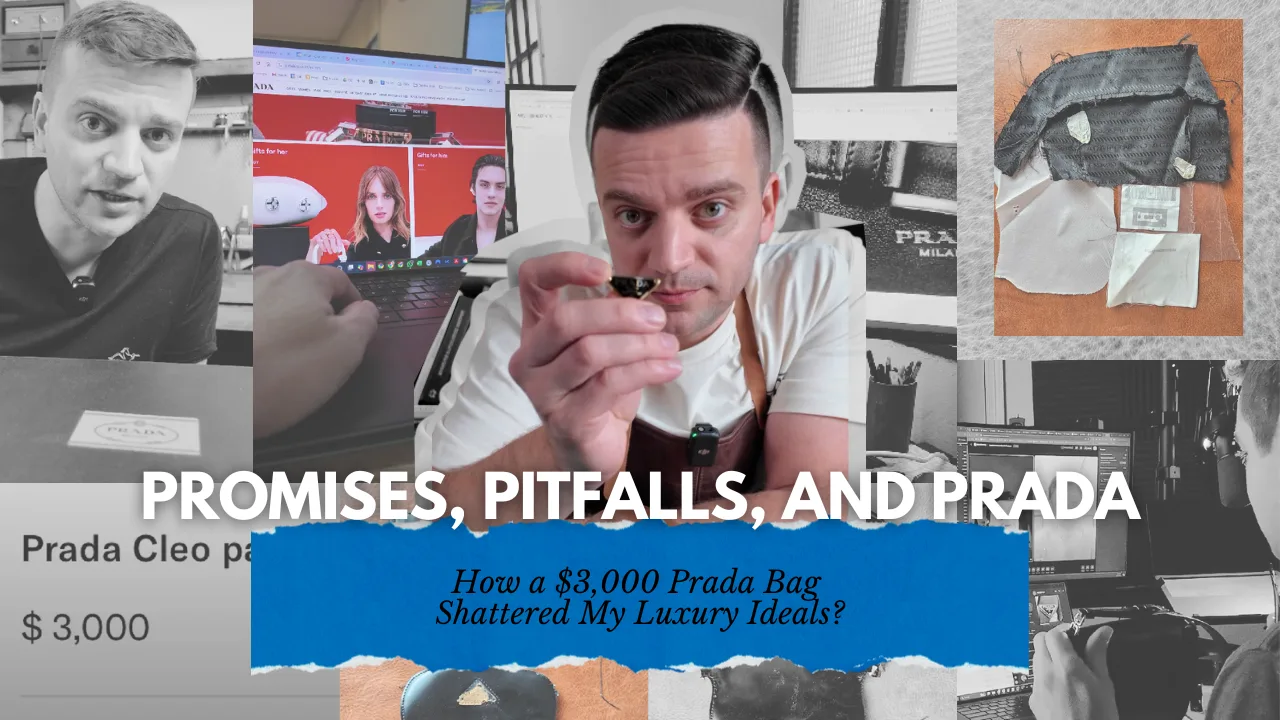
Is the Prada Mini Cleo Bag Worth the Investment in 2026?
The Prada Mini Cleo bag has long been positioned as a symbol of understated luxury, with a price tag often reaching $3,000. But does it live up to its reputation? Based on a review by Tanner Leatherstein, who purchased a preloved version for $1,800 from Fashionphile, the answer is complicated. While the bag was confirmed authentic through evaluations by Fashionphile and a former Prada insider, its craftsmanship raised concerns about value for money.
This article examines key findings from the dissection of the Prada Mini Cleo, evaluates its materials and construction, and explores whether inconsistencies in quality are acceptable at such a high price point. The goal is to help consumers make an informed decision about whether this bag represents a worthwhile investment in 2026.
Craftsmanship and Construction: Does It Justify the Price?
One of the most significant criticisms leveled against the Prada Mini Cleo bag is its inconsistent craftsmanship. According to Tanner Leatherstein’s review, the stitching was uneven, labels were poorly finished, and the hardware appeared to be made from low-grade metals. These flaws were not minor imperfections but noticeable issues that detracted from the overall quality expected from a luxury brand.
Even more concerning was the presence of unusual bending marks on the leather in areas that should have remained pristine. Such marks suggest either poor handling during production or subpar material selection, both of which undermine the perception of premium quality. For a bag priced at $3,000, these issues are difficult to overlook.
Despite these shortcomings, the internal support materials and authentication chip matched those found in known authentic Prada bags. This alignment provided evidence that the bag was genuine, though it did little to address the broader question of whether the brand maintains consistent standards across its product lines.
Materials and Hardware: A Closer Look
The materials used in the Prada Mini Cleo bag were scrutinized closely during the dissection. The leather showed signs of wear and odd bending, indicating potential issues with tanning or finishing processes. While the exact type of leather was not specified in the review, the visible flaws suggest that even high-end materials can be compromised by poor manufacturing practices.
The hardware, another critical component of any luxury handbag, was found to be made from low-grade materials. More troubling was the absence of manufacturer codes, which are typically present on authentic pieces. This lack of traceability raises questions about transparency and accountability in Prada’s supply chain.
However, the internal components—such as the support structure and authentication chip—were consistent with those of other verified Prada products. This suggests that while some elements may be outsourced or produced under less stringent conditions, core identifiers remain intact.
Authenticity and Expert Verification
An AI authentication tool initially flagged the bag as potentially counterfeit, prompting a deeper investigation. Tanner Leatherstein reached out to appraisers, craftsmen, and luxury experts worldwide, all of whom expressed skepticism about the bag’s quality. However, after sending the bag back to Fashionphile for evaluation, the company confirmed its authenticity through a detailed comparison with new models and a comprehensive 50-page report.
Fashionphile stated that variations in quality are considered normal for Prada, a claim supported by a former Prada insider who reviewed images from the dissection. This insider confirmed that the bag was likely produced by one of Prada’s external contractors, explaining the inconsistencies but also highlighting a systemic issue within the brand’s production model.
While this verification confirms the bag’s legitimacy, it does not resolve the underlying concern: if such inconsistencies are standard practice, then the brand’s commitment to excellence is questionable.
Value Proposition: Is It Worth $3,000?
The central question remains: is the Prada Mini Cleo bag worth its $3,000 price tag? Based on the evidence presented, the answer is no—not when judged solely on craftsmanship and material quality. The bag’s flaws, particularly in stitching, labeling, and hardware, do not align with expectations for a product at this price level.
That said, the bag’s authenticity and design appeal may still make it a desirable item for collectors or fashion enthusiasts who prioritize brand prestige over flawless execution. For others, especially those seeking durability and precision, the inconsistencies may be dealbreakers.
It’s also worth noting that the bag was purchased secondhand for $1,800, which significantly reduces its perceived value gap. However, even at this discounted price, the quality issues remain relevant, especially for buyers expecting a certain standard from a luxury brand.
For context, similar analyses have been conducted on other high-end brands like Gucci and Louis Vuitton, where craftsmanship and authenticity are also subject to scrutiny. Is the Gucci Horsebit Bag Worth the Investment in 2026? offers a parallel perspective on how brand reputation intersects with real-world performance.
The Broader Implications for Luxury Brands
This case study underscores a larger trend in the luxury industry: the disconnect between branding and actual product quality. As Tanner Leatherstein notes, a high price tag does not always guarantee superior quality. Consumers are increasingly demanding transparency and consistency, especially when paying premium prices.
Brands like Prada must balance mass production demands with artisanal standards. Outsourcing to external contractors may help meet demand, but it risks diluting quality control. The fact that Fashionphile acknowledged these variations as “normal” suggests that such compromises are becoming accepted norms rather than exceptions.
This raises ethical questions about consumer expectations and brand accountability. Should luxury brands be held to higher standards, especially when their products command such steep prices? And if inconsistencies are deemed acceptable, what does that mean for the future of luxury craftsmanship?
For further reading on how to evaluate luxury goods, consider How to Spot a Genuine Louis Vuitton Monogram Bag: Key Signs of Authenticity, which provides practical guidance for identifying authentic pieces.
Frequently Asked Questions
What makes the Prada Mini Cleo bag controversial?
The Prada Mini Cleo bag became controversial due to reports of inconsistent craftsmanship, including uneven stitching, poorly finished labels, and low-grade hardware. Despite being confirmed authentic by experts, these flaws challenge the brand’s reputation for quality and raise questions about production standards.
Is the Prada Mini Cleo bag authentic if it has manufacturing flaws?
Yes, according to the review, the bag was confirmed authentic by both Fashionphile and a former Prada insider. However, the presence of manufacturing flaws suggests that these issues may be common in certain production batches, particularly those made by external contractors.
Why would a luxury brand like Prada allow such inconsistencies?
The review indicates that Prada may rely on external contractors to meet production demands, which can lead to variability in quality control. While the brand maintains core authentication features, the final product may reflect differences in oversight and materials.
Can I trust Fashionphile’s authentication process?
Fashionphile provided a detailed 50-page report comparing the bag to new models and confirming its authenticity. Their process appears rigorous, though the conclusion that variations are “normal” highlights a need for greater transparency in quality standards.
Are there better alternatives to the Prada Mini Cleo bag?
While the Prada Mini Cleo has a strong design aesthetic, buyers concerned about craftsmanship might explore other brands with stricter quality controls. Alternatives like the Cartier Santos Watch or Louis Vuitton’s Neverfull MM offer different value propositions depending on priorities.
How can I verify the authenticity of a Prada bag before purchasing?
To verify authenticity, compare the bag’s details (stitching, hardware, labels, and authentication chip) with known genuine models. Use trusted resellers like Fashionphile, consult expert appraisers, or utilize AI tools designed for authentication. Always request documentation and ask about the bag’s provenance.