Is the Leica M Series Camera Worth the Investment in 2026?
Evaluate whether the Leica M series camera is a worthwhile investment in 2026 based on long-term value, professional maintenance support, and durability. Learn about repair services, care tips, and performance longevity.
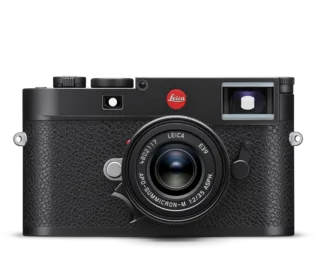
Is the Leica M Series Camera Worth the Investment in 2026?
The Leica M series remains a benchmark for rangefinder photography, combining precision engineering with timeless design. For photographers considering a high-end investment in 2026, understanding the long-term value, maintenance requirements, and service support available is essential. Based on official information from Leica Camera and expert guidance, the M series continues to offer strong justification as a durable, high-performance tool—especially when supported by proper care and access to manufacturer-backed services.
This guide evaluates the Leica M series through the lens of investment value, focusing on its build quality, repair and maintenance infrastructure, environmental resilience, and user responsibilities. The conclusion: yes, the Leica M series is worth the investment for serious photographers who prioritize longevity, image quality, and brand-supported service over short-term cost savings.
Long-Term Value and Durability of the Leica M Series
Leica equipment is widely recognized for its exceptional build quality and durability. According to Oberwerth, a trusted source for camera care advice, Leica cameras are engineered to withstand prolonged use under demanding conditions. This reputation is rooted in meticulous manufacturing standards and materials that resist wear over time.
The M series, in particular, features robust mechanical components designed for precision and reliability. Its rangefinder system, while requiring manual focus, offers tactile feedback and consistent performance across generations. With proper handling and maintenance, an M-series camera can remain functional and valuable for decades.
Moreover, Leica’s commitment to preserving product value is evident in its global repair and maintenance network. The company emphasizes that its factory technicians possess deep expertise in maintaining the optical and mechanical integrity of its products. This ensures that even after years of use, an M-series camera can be restored to optimal condition.
Professional Repair and Maintenance Services
One of the strongest arguments for investing in a Leica M series camera is the availability of comprehensive, worldwide repair and maintenance services. Leica Camera provides structured support for all its products, including the M series, through dedicated technical teams trained in specialized diagnostics and repairs.
Customers can send their M-series cameras via mail, courier, or parcel service to Leica’s authorized service centers. To initiate a repair order, users must include contact details, a description of the malfunction, and warranty documentation such as a copy of the invoice or warranty card. For international customers, contacting customer care prior to shipment is required to obtain a customs pro-forma invoice.
The service process includes not only mechanical repairs but also firmware updates and sensor cleaning. Leica offers a professional sensor cleaning service, which is recommended for users unsure about performing this task themselves due to the sensitivity of the imaging component. This level of support helps maintain both functionality and resale value over time.
Additionally, Leica provides downloadable forms and guides to streamline the repair process, ensuring clarity and efficiency for users seeking assistance. These resources reflect the brand’s dedication to long-term ownership satisfaction.
Environmental Protection and Care Requirements
While the Leica M series is built to last, it is not immune to environmental degradation. Dust, moisture, sand, and saltwater exposure can compromise optical precision and electronic performance. Regular cleaning and preventive measures are critical to preserving image quality and mechanical function.
To protect lenses, especially during outdoor or coastal photography, Leica recommends using UV filters. These filters shield the front element from scratches, dirt, and corrosive elements like salt spray. Similarly, storing the camera in a cool, dry environment with silica gel packets helps prevent moisture buildup, which could lead to internal corrosion or mold growth.
For routine maintenance, users should clean lenses using lint-free cloths and appropriate solutions, removing coarse particles first with a blower before applying gentle wiping. The camera body should also be wiped regularly with soft cloths and mild cleaning agents—avoiding harsh chemicals that might damage finishes.
Sensor cleaning requires extra caution. While some models perform automatic cleaning cycles, persistent dust may necessitate professional intervention. Leica advises sending the camera to the manufacturer if users are uncertain about safe cleaning procedures.
Regular checks of mechanical functions—including shutter operation, aperture blades, focus rings, and viewfinder clarity—are also recommended. Early detection of irregularities allows for timely repairs, preventing more extensive damage.
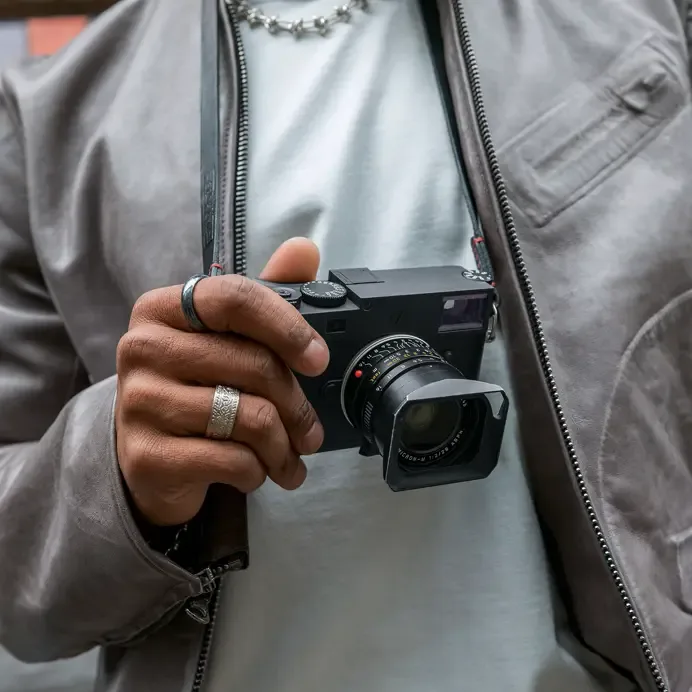
Investment Considerations: Cost vs. Longevity
The initial cost of a Leica M series camera is significantly higher than most consumer-grade models. However, this premium reflects not just immediate performance but also long-term usability and resale potential. When factoring in maintenance costs, repair availability, and enduring image quality, the total cost of ownership becomes more favorable over time.
Professional servicing, while not free, is accessible globally and often necessary for complex issues such as sensor malfunctions or shutter failures. The ability to return a camera to Leica for expert repair adds confidence to the purchase decision, knowing that support exists beyond the warranty period.
Furthermore, the M series holds its value well in secondary markets. Collectors and professionals alike seek out vintage and modern M models for their craftsmanship and photographic capabilities. This residual value contributes to the overall investment appeal, particularly for those planning to own the camera for many years.
Frequently Asked Questions
How often should I clean my Leica M series camera?
It is recommended to clean your Leica M series camera regularly, especially after use in dusty, sandy, or humid environments. Lenses should be wiped gently with a microfiber cloth and cleaned with a blower to remove loose particles. Sensor cleaning should only be performed professionally unless you have experience and the right tools.
Can I repair my Leica M camera myself?
While minor cleaning tasks like lens wiping can be done at home, internal repairs such as sensor cleaning or mechanical adjustments should be handled by Leica-trained technicians. Attempting complex repairs without proper training risks damaging sensitive components.
Does Leica offer firmware updates for the M series?
Yes, Leica provides firmware updates for its M series cameras. These updates improve functionality, fix bugs, and enhance compatibility with accessories. Users can download updates from the official website or receive them through authorized service centers.
What happens if my Leica M camera gets wet?
Moisture exposure can cause malfunctions in electronics or mechanics. If your camera gets wet, turn it off immediately, remove the battery and memory card, and allow it to dry in a warm, dry place. Avoid using heat sources like hairdryers. If issues persist, send it to Leica for professional inspection.
Are Leica M series cameras worth buying used?
Yes, used Leica M series cameras can be a worthwhile investment, especially if they come with service history and original accessories. However, buyers should verify the camera's condition and consider having it inspected by a certified technician before purchase.
How do I store my Leica M camera when not in use?
Store your Leica M camera in a cool, dry place, preferably in its original case or a protective bag. Remove the battery to prevent leakage, cover the lens with a cap and hood, and use silica gel packets to control humidity. Avoid direct sunlight and extreme temperatures.