Rolex GMT-Master II vs. Submariner vs. Daytona: Which Iconic Watch Fits Your Lifestyle?
Compare Rolex's GMT-Master II, Submariner, and Daytona to find the perfect watch for your lifestyle. Explore design, function, and value based on travel, diving, or motorsport needs.
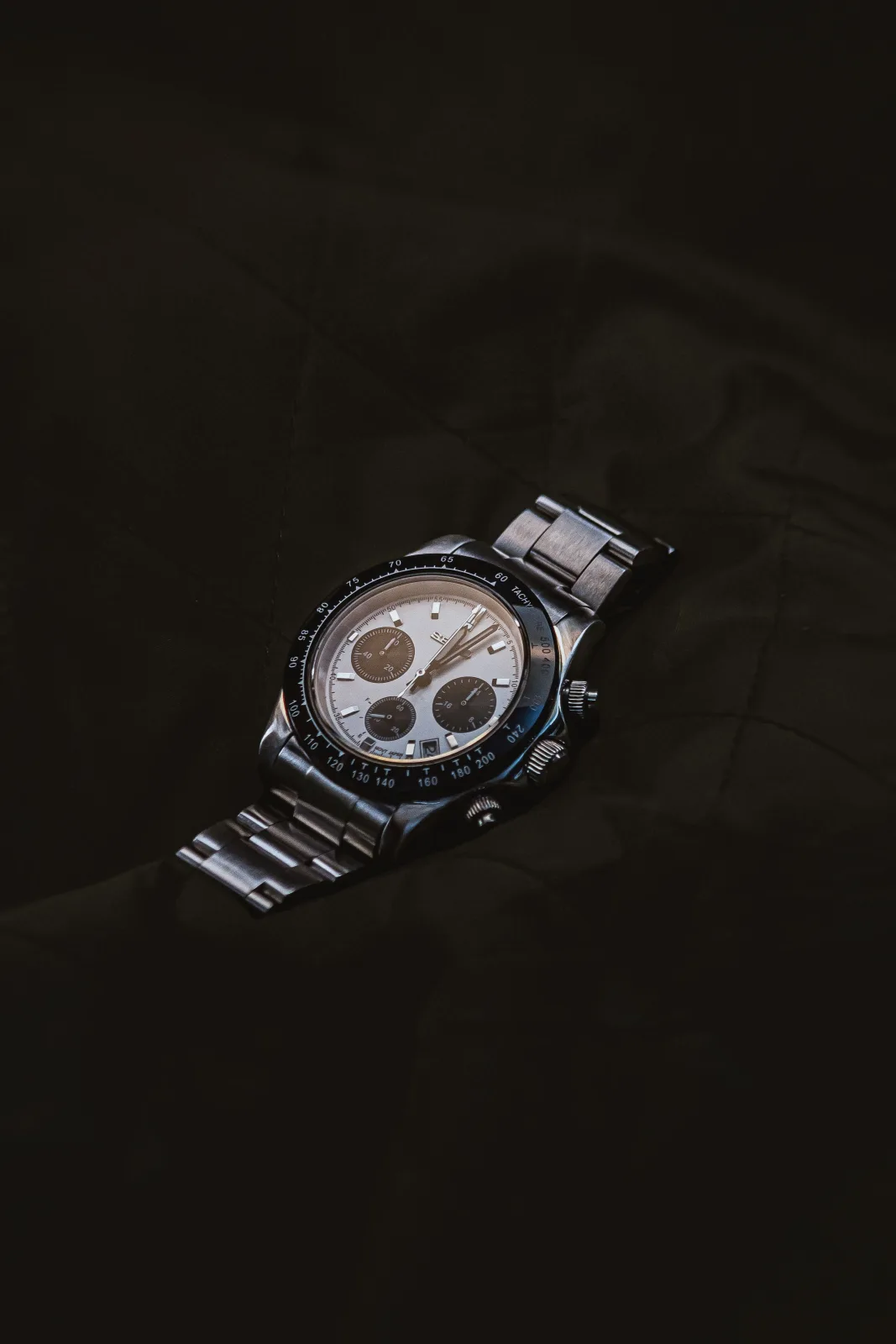
Introduction: The Three Pillars of Rolex’s Professional Line
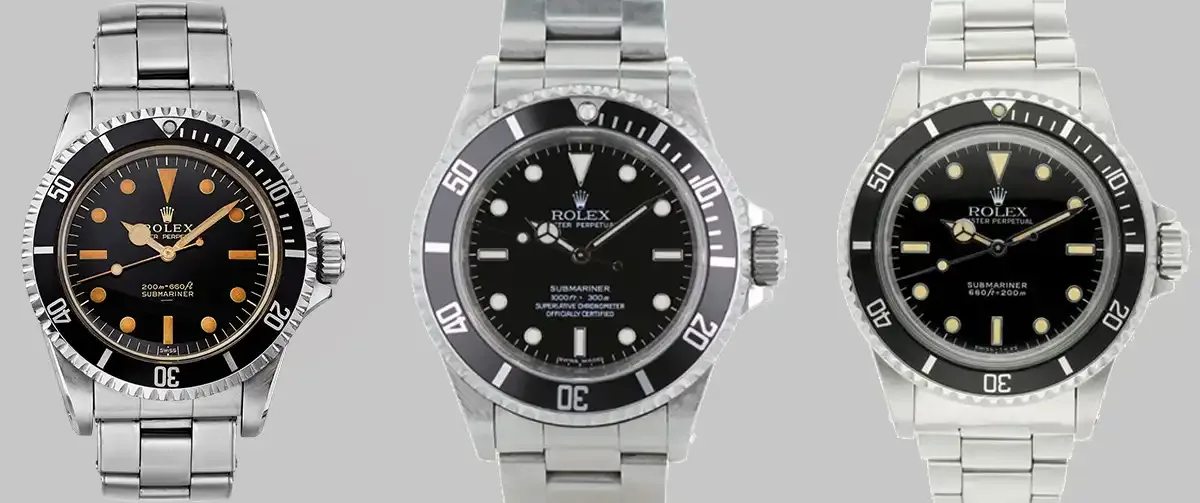
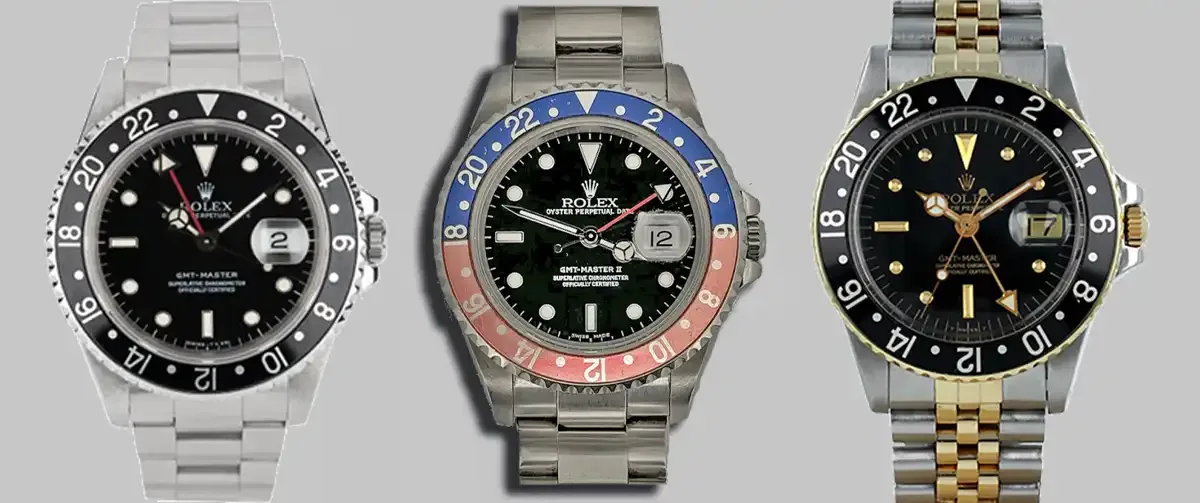
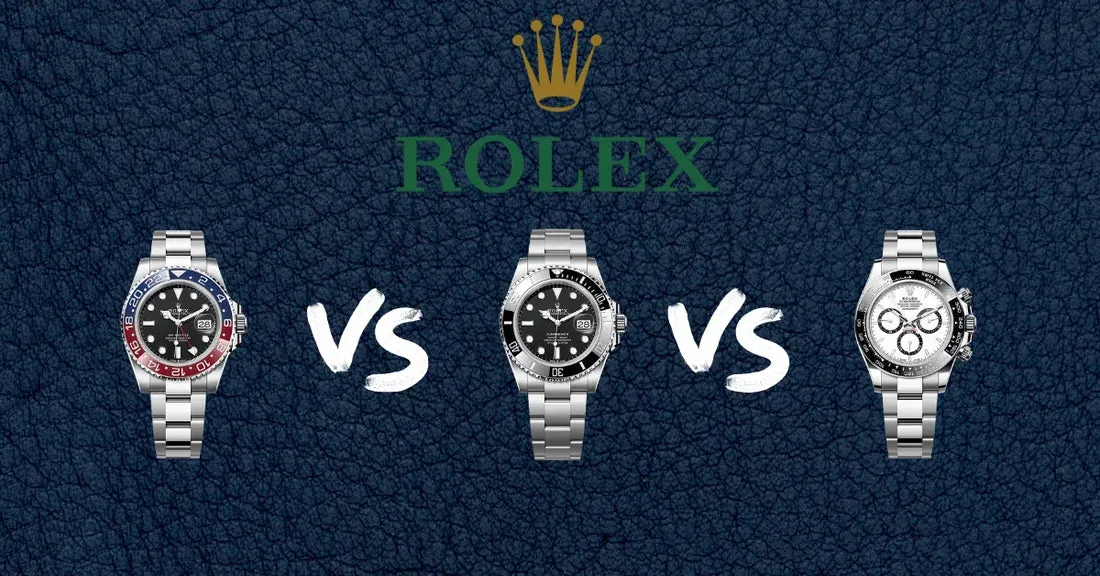
When considering a luxury timepiece from Rolex, three models consistently stand out as icons: the GMT-Master II, Submariner, and Cosmograph Daytona. Each was engineered for a specific purpose—aviation, diving, and motorsport—and has since evolved into a symbol of precision, durability, and timeless style. For many buyers, choosing between these watches is not just about aesthetics but about aligning with a lifestyle.
This guide breaks down the key differences in design, functionality, technical specifications, and real-world wearability to help you decide which Rolex model best fits your daily life.
Understanding the Original Purpose of Each Model
The foundation of each watch lies in its original intent. These were not designed as fashion accessories but as functional tools for professionals.
GMT-Master II: The Traveler’s Companion
The original Rolex GMT-Master was introduced in 1955 in collaboration with Pan Am Airlines to assist pilots managing multiple time zones during long-haul flights. Its defining feature is the **GMT complication**, which includes a 24-hour hand and a rotating bezel that allows the wearer to track two or even three time zones simultaneously. The modern GMT-Master II, introduced in 1983, builds upon this legacy with enhanced functionality.
Modern versions like the 126710BLRO ("Pepsi") and 126710BLNR ("Batman") use **Cerachrom ceramic bezels**—a proprietary Rolex material—that are highly resistant to scratches and color fading. This makes them ideal for frequent travelers who need to adjust local time without stopping the movement—a feature known as the **independent jumping hour hand**.
For someone who regularly crosses time zones, whether for business or personal reasons, the GMT-Master II offers unmatched practicality.
Submariner: The Benchmark Dive Watch
Launched in 1953, the Submariner was created for professional divers and quickly became the archetype of the modern dive watch. It features:
- **300 meters of water resistance**
- A **unidirectional rotating bezel** for timing dives
- **Luminescent markers** using Chromalight, a proprietary Rolex luminescent material that emits blue light for improved visibility underwater
- A robust Oyster case and bracelet
While many owners never dive deeper than a hotel pool, the Submariner’s rugged construction and versatile design make it a go-to choice for everyday wear. Its clean dial and understated elegance allow it to transition seamlessly from casual to formal settings.
Daytona: The Racing Chronograph
The Rolex Cosmograph Daytona was introduced in 1963 as a chronograph specifically designed for racing drivers. Named after the Daytona International Speedway, it features:
- A **tachymeter bezel** calibrated for 1000 units per hour, enabling the calculation of speed over a known distance
- A **chronograph function** with start/stop/reset pushers
- Three sub-dials for elapsed seconds, minutes, and hours
Its association with actor Paul Newman and motorsport culture has cemented its status as one of the most desirable Rolex models. While it may not be used daily for timing laps, its mechanical complexity and visual drama appeal to those who appreciate horological engineering.
Design & Wearability: How They Feel on the Wrist
Despite similar case diameters around 40 mm, these watches feel distinct when worn.
Case Size and Thickness
- **GMT-Master II**: 40 mm diameter, ~12.3 mm thick
- **Submariner Date**: 41 mm diameter, ~12.7 mm thick
- **Daytona**: 40 mm diameter, ~12.2 mm thick
The Submariner wears slightly larger due to its broader bezel and case profile, while the Daytona feels more refined thanks to its slimmer lugs and polished finish.
Bezels and Dial Legibility
- **GMT-Master II**: Bidirectional Cerachrom bezel with a 24-hour scale, often in vibrant two-tone combinations like red/blue ("Pepsi") or black/blue ("Batman"). The bidirectional rotation allows for greater flexibility in adjusting time zones.
- **Submariner**: Unidirectional 60-minute bezel for timing dives or everyday tasks like parking meters.
- **Daytona**: Fixed tachymeter bezel; newer steel models feature a ceramic insert.
In low-light conditions, the Submariner and GMT-Master II offer superior legibility with their large hour markers and Chromalight luminescence. The Daytona’s busy dial, while visually striking, requires more attention to read the time quickly.
Bracelets and Comfort
All three typically come on the Oyster bracelet, though variations exist:
- **GMT-Master II**: Available on Jubilee or Oyster bracelets; Jubilee variants feel lighter and dressier.
- **Submariner**: Features Glidelock clasp on recent models, allowing micro-adjustments up to 20 mm—ideal for precise fit.
- **Daytona**: Slimmer on the wrist; pushers add width but not much visual bulk.
For daily comfort, the Submariner’s broader lugs provide a secure feel, while the Daytona’s sleek profile suits those who prefer a more elegant silhouette.
Technical Differences: Movements & Complications
Under the dial, these watches differ significantly in complexity and performance.
GMT-Master II: Dual Time with Calibre 3285
The modern GMT-Master II uses the **calibre 3285**, an in-house automatic movement with approximately 70 hours of power reserve. The standout feature is the **independent jumping hour hand**, which allows adjustment of local time without stopping the movement. This makes it incredibly user-friendly for travelers.
Submariner: Robust Simplicity with Calibre 3230/3235
The Submariner relies on either the **calibre 3230** (time-only) or **calibre 3235** (with date), both offering around 70 hours of power reserve. These movements include Rolex’s **Chronergy escapement** for improved efficiency and are COSC-certified for accuracy within −2/+2 seconds per day.
The lack of complications means fewer parts to maintain, making it a reliable choice for long-term ownership.
Daytona: Automatic Chronograph with Calibre 4131
The latest Daytona references use the **calibre 4131**, derived from the respected 4130. This automatic chronograph movement includes a vertical clutch and column wheel for smooth operation and precise engagement of the chronograph functions.
With more components than the GMT or Submariner, the Daytona requires more skilled servicing but delivers exceptional performance for those who value mechanical complexity.
Value, Market & Availability
All three models hold strong resale value, but market dynamics vary.
Retail vs Pre-Owned Reality
Retail prices remain relatively stable, but availability is limited. Waiting lists for steel Daytonas have historically been the longest, followed by popular GMT variants like the Pepsi and Batman, and core Submariner models.
On the pre-owned market, premiums have cooled from speculative highs but still exist, especially for desirable configurations such as vintage Daytonas or rare bezel colors.
Value Retention & Collectability
- **Daytona**: Often commands the highest premiums, particularly rare dials or precious metal versions.
- **GMT-Master II**: Strong demand for iconic bezel colors; travel relevance keeps appeal high.
- **Submariner**: Rock-solid long-term desirability; considered the "safest" first Rolex by many collectors.
Auction houses like Christie’s and Phillips regularly showcase rare vintage examples fetching millions, though modern pieces are less likely to reach such heights.
Common Mistakes When Choosing
Many buyers regret their purchase not because the watch is flawed, but because it doesn’t match their lifestyle.
Buying for Hype, Not Use
Chasing the most hyped reference—often the Daytona—can backfire if you don’t actually enjoy wearing a chronograph. Some buyers discover they prefer the cleaner dial of a Submariner or the practicality of a GMT-Master II but got swept up in Daytona fever.
Ignoring Authentication & Condition
Because all three models are heavily counterfeited, buying solely based on price is risky. Always verify:
- Serial and reference numbers against paperwork
- Movement inspection by a qualified watchmaker
- Correct bezel, hands, and dial for the reference and production era
Over-polished cases, aftermarket parts, and undocumented service history can hurt both enjoyment and resale value.
Forgetting Long-Term Comfort
Even small differences in weight and case shape matter when worn daily. The Submariner’s broader lugs, the GMT’s colorful bezel, or the Daytona’s pushers might look fantastic in photos but feel different in real life. If possible, wear the watch for at least a few minutes before committing.
Which Rolex Should You Pick?
If you’ve read this far, you’ve probably narrowed your choice but may still be undecided. Here’s a practical way to land on the right one.
If You Want Maximum Versatility
Choose the **Submariner**. It’s the closest thing to a universal sports watch. A reference like the 124060 (no date) gives you a clean, symmetrical dial and fewer things to service. The 126610LN adds the convenience of a date and cyclops, which many consider useful for daily wear.
If You Live Between Time Zones
Choose the **GMT-Master II**. If travel or cross-border work is a constant, that jumping hour hand will make you smile every time you use it. Classic bezel combinations like Pepsi or Batman are popular for a reason—they balance character with legibility.
If You’re Drawn to Racing, Chronographs, and Design Drama
Choose the **Daytona**. You buy a Daytona because you love the chronograph layout, the motorsport story, and the way it sits on the wrist. If you hardly ever time anything and prefer minimal dials, you may be happier with a Sub or GMT. But if the Daytona speaks to you emotionally, that’s worth listening to.
Frequently Asked Questions
What makes the Rolex GMT-Master II different from the Submariner?
The GMT-Master II features a 24-hour hand and rotating bezel to track multiple time zones, making it ideal for frequent travelers. The Submariner, in contrast, is designed for diving with a unidirectional bezel for timing dives and 300 meters of water resistance.
Is the Rolex Daytona suitable for everyday wear?
Yes, the Daytona is durable and stylish enough for daily use. However, its chronograph function and tachymeter bezel may attract more attention than some prefer. It’s best suited for those who appreciate mechanical complexity and motorsport heritage.
Can I wear a Rolex Submariner if I don’t dive?
Absolutely. While designed for diving, the Submariner’s robustness and versatility make it a popular choice for everyday wear. Many owners never dive but appreciate its reliability and timeless design.
Are Rolex GMT-Master II watches good for travel?
Yes, the GMT-Master II is specifically designed for travelers. Its ability to display two or three time zones simultaneously, combined with the independent hour hand, makes it one of the most practical watches for international travel.
How do I know if a Rolex Daytona is authentic?
To verify authenticity, check the serial and reference numbers against documentation, inspect the movement for proper finishing, and ensure the bezel, hands, and dial match the correct reference and production era. Avoid watches with over-polished cases or aftermarket parts.
Does the Rolex Submariner come in different sizes?
Yes, the Submariner is available in 41 mm (current generation) and previously in 40 mm. There is also a smaller 36 mm version for women, though it is less common. The 41 mm size offers better legibility and a more substantial presence on the wrist.
Conclusion: Choose Based on Your Lifestyle
Ultimately, the best Rolex for you depends on how you live. The GMT-Master II excels for travelers, the Submariner for those seeking a versatile daily companion, and the Daytona for enthusiasts of motorsport and chronographs.
By understanding the original purpose, design, and technical details of each model, you can make a decision that aligns with your lifestyle—not just your wish list.