How to Spot a Genuine Cartier Watch vs. a Counterfeit: Key Authentication Tips
Learn how to identify a genuine Cartier watch with expert tips on authentication, including case markings, movement quality, and documentation. Avoid counterfeit models.
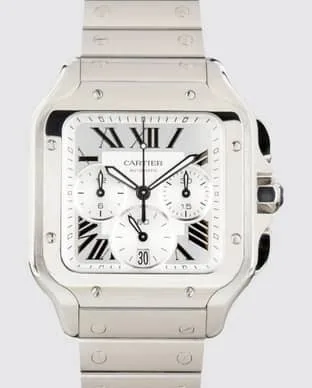
How to Identify a Genuine Cartier Watch
Cartier watches are renowned for their timeless design, Swiss craftsmanship, and heritage dating back to 1847. As one of the world’s most prestigious luxury watchmakers, Cartier produces iconic timepieces like the Tank, Santos, and Ballon Bleu that are both fashion statements and collectible assets. However, due to their high value and desirability, counterfeit versions have proliferated in the market. Knowing how to spot a genuine Cartier watch is essential for buyers seeking authenticity and long-term value.
This guide outlines key authentication tips based on verified details from reputable sources, focusing on the physical characteristics, documentation, and provenance that distinguish an authentic Cartier from a fake.
Check the Case and Movement Details
One of the most reliable ways to authenticate a Cartier watch is by examining its internal components and exterior craftsmanship.
**Case Markings:** Genuine Cartier watches feature precise engravings on the case back or side, including the model number, serial number, and material designation (e.g., '18K Gold' or 'Stainless Steel'). These inscriptions should be crisp, evenly spaced, and consistent with Cartier's standards. A counterfeit may have blurry or misaligned lettering.
**Serial Number Verification:** Each Cartier watch has a unique serial number engraved on the case. This number can be cross-referenced with official records through authorized dealers or certified appraisers. While not all consumers can access this database directly, reputable sellers will provide verification services.
**Swiss-Made Movement:** Authentic Cartier watches use Swiss-made movements, often branded with 'Cartier' or 'Swiss Made.' The movement should operate smoothly without excessive noise or irregularities. Quartz models typically have a clean, minimalist design, while automatic movements may include visible rotor branding.
Examine the Dial and Hands
The dial is another critical area for authentication. Cartier uses high-quality materials and meticulous finishing techniques.
- **Logo and Font:** The Cartier logo on the dial should be perfectly centered, with clean lines and consistent spacing. The font style matches the brand’s signature typography—never overly bold or distorted.
- **Hands and Markers:** Genuine Cartier hands are polished and balanced, with no visible imperfections. Applied hour markers (especially on gold or diamond-set models) should be securely attached and symmetrical. Fake dials may show uneven lume application or mismatched indices.
- **Date Window (if applicable):** On models like the Ballon Bleu, the date window should display numbers clearly and align properly with the surrounding bezel. Misalignment or blurred digits are red flags.
Assess the Bracelet and Clasp
Cartier bracelets are crafted with precision engineering and attention to detail.
- **Link Construction:** Authentic Cartier bracelets, such as those on the Panthère or Santos models, have uniformly sized links with smooth transitions between them. The clasp should close securely and feature the Cartier logo engraved neatly.
- **Clasp Mechanism:** The deployment clasp on genuine Cartier watches operates smoothly and includes a safety catch. Counterfeits may feel loose or exhibit poor alignment when opened.
- **Material Consistency:** If the watch is made of gold or platinum, the metal should have a consistent color and weight. Fakes often use lighter alloys that feel less substantial.
Verify Documentation and Packaging
Complete documentation significantly increases a Cartier watch’s value and authenticity.
- **Box and Papers:** A genuine Cartier purchase comes with an original box, warranty card, instruction manual, and certificate of authenticity. These documents should match the watch’s serial number and reflect accurate production dates.
- **Service Records:** Watches serviced by authorized Cartier dealers will have stamped service records. These logs help confirm maintenance history and prevent tampering.
- **Provenance:** For vintage or rare models like the Crash or discontinued references, provenance adds immense value. Collectors seek pieces with documented ownership histories, especially if linked to notable figures or events.
Understand Model-Specific Features
Certain Cartier models have distinctive traits that make them easier to authenticate.
The Cartier Tank
Introduced in 1917, the Tank is Cartier’s flagship model, known for its rectangular case inspired by military tanks. Authentic Tanks have sharp edges, a clean crown guard, and a minimalist dial. Vintage examples from the 1970s–1990s often command premium prices due to their historical significance.
The Cartier Santos
Created in 1904 as the world’s first men’s wristwatch, the Santos features a square case with exposed screws. The screws should be evenly spaced and flush with the case. Modern versions retain this design but include updated movements and finishes.
The Cartier Crash
Produced in limited quantities during the 1960s, the Crash is a surreal, melted-looking timepiece that has become a holy grail for collectors. Due to its rarity, it can sell for over $165,000 on the secondary market. Any Crash model must be authenticated by experts due to the prevalence of replicas.
Consider Resale Value and Market Trends
Authentic Cartier watches typically retain 60% to 90% of their original retail price on the secondary market, depending on model, condition, and materials. Gold and platinum models often appreciate more than stainless steel ones, while discontinued or limited editions tend to increase in value over time.
For example:
- A **Tank Must (Large)** originally priced at $3,900 may trade for $3,300–$5,000 in excellent condition.
- A **Santos de Cartier (Medium)** with original papers can fetch $6,000–$7,200.
- Rare models like the **Panthère (Gold)** or **Crash** can exceed original retail prices significantly.
These values underscore the importance of purchasing from trusted dealers who offer guarantees of authenticity.
Frequently Asked Questions
How can I tell if my Cartier watch is real?
Check the case engraving, serial number, movement quality, and accompanying documentation. Genuine Cartier watches have precise detailing, consistent materials, and come with original packaging and papers.
Do Cartier watches hold their value?
Yes, Cartier watches generally retain 60% to 90% of their original retail price. Iconic models like the Tank, Santos, and Ballon Bleu maintain strong resale value, especially if they are in pristine condition with full documentation.
What makes a Cartier watch valuable?
Value depends on factors such as model rarity, material (gold or platinum), condition, provenance, and whether it includes original box and papers. Limited editions and vintage pieces often appreciate over time.
Is it safe to buy a Cartier watch online?
Only purchase from authorized dealers or reputable platforms that offer authentication services. Always verify the seller’s credentials and request detailed photos of the watch, including the case back and serial number.
Why are some Cartier watches so expensive?
Cartier’s premium pricing reflects its rich heritage, hand-crafted materials, Swiss manufacturing, and association with royalty and celebrities. Models like the Crash or vintage Panthère are highly sought after due to their scarcity and historical significance.
Can I get my Cartier watch appraised?
Yes, professional appraisal services are available through authorized dealers, auction houses, or specialized firms like Mozeris Fine Antiques. They can assess authenticity, condition, and market value.
*Image: Representative Cartier watch collection (source: Bob's Watches)*
For more insights into specific Cartier models, explore our guides on Is the Cartier Santos Watch Worth the Investment in 2026? and The History of the Iconic Cartier Love Bracelet: From 1969 to Modern Day.