How to Spot a Genuine Hermès Herbag vs. a Counterfeit: Key Authentication Tips
Learn how to distinguish a genuine Hermès Herbag from a counterfeit with expert tips on materials, structure, and details. Avoid fake bags with this authentic buyer’s guide.
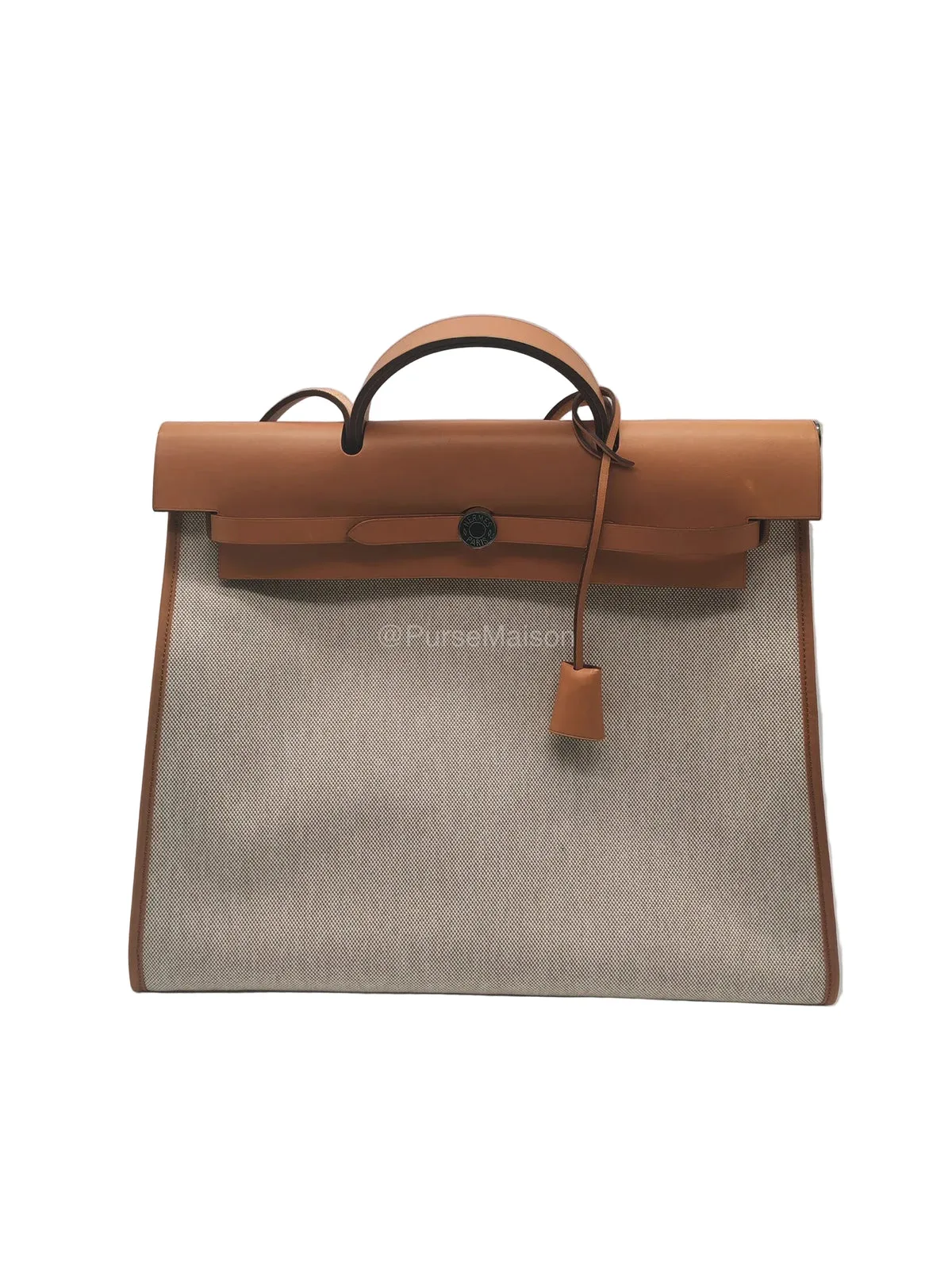
How to Spot a Genuine Hermès Herbag vs. a Counterfeit: A Buyer's Guide
The Hermès Herbag is a distinctive blend of canvas and leather, offering a structured yet relaxed silhouette that stands apart from traditional all-leather Hermès designs. Its modular appearance and versatile styling make it a popular choice among collectors and everyday users alike. However, due to its desirability, the market is flooded with counterfeit versions. This guide outlines key authentication tips to help buyers identify a genuine Hermès Herbag and avoid purchasing a fake.
Understanding the Hermès Herbag Design
The Herbag features a structured, modular design where textile body panels meet leather details and polished hardware. This contrast gives it a less formal aesthetic than fully leather models while maintaining a deliberate outline. The visual language of the bag combines casual ease with refined craftsmanship, making it suitable for both daytime and evening wear.
The design varies significantly by size—Mini, Zip 20, 31 range, and Messenger 39—each offering different proportions and carrying formats. A larger Messenger 39 presents a more substantial presence compared to the compact Mini or Zip 20. Therefore, buyers should not generalize from one model to another when assessing authenticity or functionality.
Material Inspection: Canvas and Leather
One of the most telling signs of authenticity lies in the materials used. The Herbag uses high-quality canvas for the body panels, which is durable but not weatherproof. This means the canvas should feel sturdy and tightly woven, not flimsy or prone to tearing. It should also resist moisture absorption and show no signs of discoloration or staining under normal conditions.
Leather components—such as trims, handles, and closures—are typically made from premium calfskin or other fine leathers. These parts should have a consistent grain, smooth finish, and natural suppleness. Fake versions often use synthetic leather that feels stiff or overly shiny, lacking the subtle texture of genuine leather.
For pre-owned Herbags, inspect the canvas for marks, stains, or fading. Check the leather for dryness, cracking, or unnatural wear patterns. Any significant damage may indicate misuse or poor storage, but excessive wear could also suggest a counterfeit using lower-grade materials.
Hardware and Stitching Details
Authentic Hermès bags feature precision-engineered hardware, usually in palladium or gold-tone finishes. The metal components—including zippers, clasps, and buckles—should be free of scratches, pitting, or uneven plating. The hardware will bear the Hermès logo or stamp, though this can vary by production period and factory.
Stitching is another critical indicator. Genuine Herbags have even, tight stitches with consistent spacing and thread color matching the leather or canvas. Counterfeits often exhibit irregular stitching, loose threads, or mismatched thread colors. Pay close attention to the seams around the base, sides, and closure areas.
Structure and Proportion
The Herbag maintains a composed silhouette despite its canvas construction. When viewed from the front, the bag should appear symmetrical, with clean lines and balanced proportions. The structure should hold its shape without sagging or distortion, especially when empty.
A common issue with counterfeits is structural weakness. They may collapse at the bottom or bulge unnaturally when filled. Larger sizes like the Messenger 39 may feel cumbersome when loaded, but they should still retain their intended form. If the bag distorts easily, it may be a sign of inferior construction.
Completeness and Inclusions
Buyers should verify completeness against the specific listing rather than relying on generic checklists. A genuine Herbag comes with all original components, including straps, pouches, dust bags, and care cards. Missing items—especially detachable straps or protective covers—can reduce value and raise red flags.
Always ask for clear documentation about what is included. A receipt can provide provenance but does not guarantee authenticity. No single feature independently confirms a bag’s legitimacy; professional review is recommended for high-value purchases, particularly when buying remotely.
Care and Climate Considerations
Canvas on the Herbag is not waterproof and requires protection from prolonged moisture. In humid climates like the Philippines, sudden rain or air-conditioned interiors can affect the bag’s condition. Keep it dry, allow it to air out naturally if damp, and avoid sealing it away while wet.
Leather components should be cared for according to brand guidelines or by a qualified professional. Avoid household products that may damage the material. Proper care ensures longevity and helps preserve resale value.
Size and Lifestyle Fit
Choosing the right Herbag depends on your daily needs. Smaller references like the Zip 20 are ideal for essentials such as a phone, cards, keys, and small cosmetics. Larger models like the Messenger 39 offer more capacity but may feel bulky when carried for extended periods.
Before purchasing, lay out your actual daily essentials to ensure the bag fits comfortably without distorting its shape. Ask yourself whether you’ll reach for it repeatedly and whether you’re prepared to care for it properly in your environment.
Professional Authentication Is Recommended
No single detail—such as a stamp, logo, or hardware finish—can independently confirm authenticity. Features vary by model, factory, and production period. For peace of mind, especially with high-value purchases, consult a professional authenticator or trusted reseller.
Frequently Asked Questions
How can I tell if a Hermès Herbag is real?
To determine authenticity, examine the materials, stitching, hardware, and overall structure. Look for consistent canvas weave, high-quality leather, precise stitching, and polished hardware. No single feature guarantees authenticity; professional review is advised for high-value purchases.
Does the canvas on a Herbag mean it’s low-maintenance?
No. While canvas feels less formal than leather, it still requires protection from moisture, staining, compression, and prolonged sun exposure. Follow proper care guidelines to maintain its condition.
What should I look for in a pre-owned Herbag?
Inspect the canvas for marks, the leather for dryness or wear, the hardware for surface changes, and the structure for distortion. Verify completeness against the listing and ask for detailed condition notes.
Can I trust a seller who claims the Herbag is authentic?
Claims alone are not sufficient. Always verify details through inspection or third-party authentication. Receipts provide provenance but do not guarantee authenticity.
Is the Herbag worth buying as an investment?
Luxury bags are not guaranteed financial investments. Secondary-market outcomes depend on reference, condition, completeness, and timing. Buy because the bag works for you, not solely for resale potential.
How do I know if the Herbag fits my lifestyle?
Assess your daily carry needs and preferred carry method. Test the intended load and consider how you’ll protect the bag from rain and humidity. Choose a size that matches your real-life usage.
For more insights into luxury bag authenticity, explore our guide on how to spot a genuine Louis Vuitton Monogram bag or learn about how to care for your Prada nylon bag.