How to Authenticate a Vintage Tiffany & Co. Earring vs. a Counterfeit: Key Signs of Authenticity
Learn how to identify genuine vintage Tiffany & Co. earrings from counterfeits using hallmark marks, craftsmanship, design details, and seller credibility.
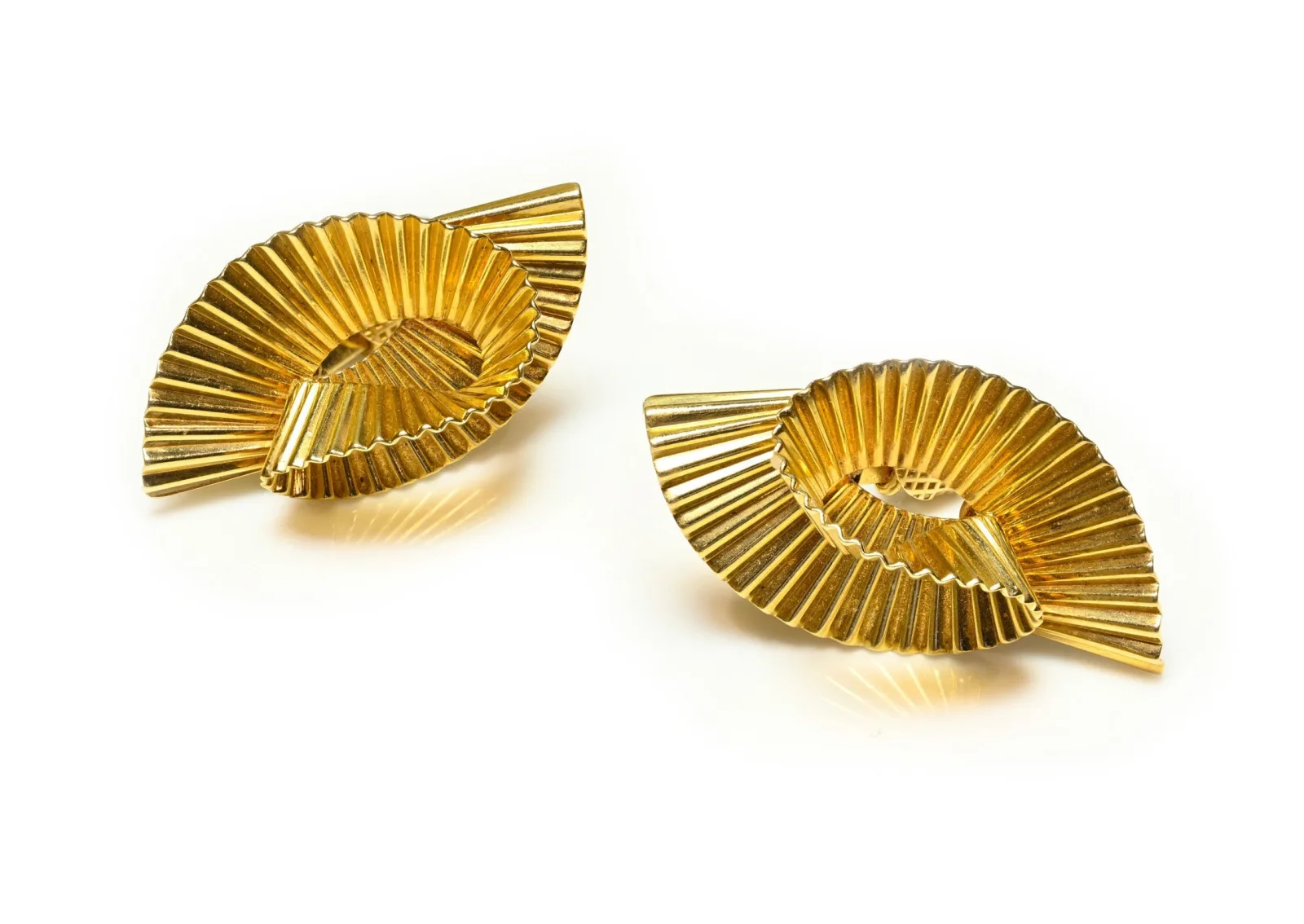
How to Identify Genuine Vintage Tiffany & Co. Earrings
Authenticating vintage Tiffany & Co. earrings requires careful evaluation of multiple factors beyond the brand name. While the company is renowned for its fine jewelry, including sterling silver, diamonds, and gemstones, counterfeit pieces exist in the secondary market due to the brand’s high recognition. A stamped signature alone does not guarantee authenticity. Buyers must examine construction, metal markings, design consistency, and overall condition to distinguish real vintage Tiffany earrings from fakes.
Check for Proper Hallmarks and Metal Marks
One of the most reliable indicators of authenticity is the presence of correct hallmarks. Genuine Tiffany & Co. jewelry typically includes clear metal purity marks such as '18K', 'PT950' for platinum, or '925' for sterling silver. The American sterling silver standard of 925 parts per 1,000 was established with Tiffany's influence, so this mark should appear on authentic silver pieces. Additionally, look for the Tiffany & Co. signature—often engraved in a clean, consistent font—and ensure it matches known styles from the period. Worn or inconsistent hallmarks may indicate age-related wear but can also signal a counterfeit if they are poorly executed or missing entirely.
*Example of a vintage Tiffany earring with visible hallmarking and craftsmanship.*
Evaluate Craftsmanship and Design Details
Tiffany & Co. has a long-standing reputation for quality craftsmanship, which extends to every aspect of its jewelry. Authentic vintage earrings often feature precise detailing, smooth finishes, and balanced proportions. Look closely at the edges, solder joints, and gemstone settings—if present—for signs of professional workmanship. For instance, diamond studs should have secure prongs without gaps, and goldwork should lack uneven thickness or rough textures. Designs associated with notable Tiffany designers like Elsa Peretti or Paloma Picasso tend to be highly collectible and follow specific aesthetic principles that are difficult to replicate accurately in counterfeits.
Assess Condition and Wear Patterns
Vintage Tiffany earrings naturally show signs of use over time, but these should align with expected aging patterns. Minor surface scratches, softened details, or replaced backs are common and acceptable, especially in older pieces. However, excessive damage, mismatched components, or repairs that compromise structural integrity may reduce value and raise red flags. Pay particular attention to closures—omega backs, screw-backs, and clip-on mechanisms should function securely and comfortably. If the back of an earring appears altered or improperly fitted, it could suggest tampering or replacement, potentially indicating a fake or misrepresented piece.
Consider the Role of Documentation and Provenance
While original packaging, receipts, or certificates can support authenticity, they are not always available for vintage items. Their absence does not automatically mean a piece is counterfeit, but it increases the importance of thorough inspection. Reputable sellers often provide detailed descriptions and high-resolution images showing all angles, including the interior and hallmark areas. DSF Antique Jewelry, for example, evaluates each piece based on authenticity, condition, and craftsmanship before listing, offering buyers confidence through transparency and expertise.
Understand Collectibility and Market Value
Not all Tiffany earrings are equally valuable. Some designs are more collectible than others due to rarity, designer association, or historical significance. For instance, vintage gold earrings with discontinued styles or those featuring rare gemstones introduced by George Frederick Kunz—such as kunzite (1902) or morganite (1910)—may command higher prices. Conversely, simple modern sterling silver pairs may lack collector appeal despite bearing the Tiffany name. When evaluating a pair, ask whether the design is distinctive, signed properly, and in good condition. These factors collectively determine desirability and investment potential.
Compare Against Known Examples and Seek Expert Evaluation
To verify authenticity, compare the earrings against documented examples from trusted sources such as DSF Antique Jewelry or museum collections. Online guides and forums dedicated to vintage jewelry can also offer insights into typical markings and design variations across decades. If uncertainty remains, consulting a certified appraiser or reputable dealer is advisable. Experts can assess materials using specialized tools and confirm hallmarks with precision, reducing the risk of purchasing a counterfeit.
For collectors interested in wearable yet meaningful pieces, vintage Tiffany earrings offer both elegance and history. Whether you're drawn to classic diamond studs, sculptural designer works, or gemstone-adorned creations, understanding the key signs of authenticity ensures your purchase reflects true craftsmanship and heritage.
How to Spot a Genuine Van Cleef & Arpels Mystery-Set Jewelry Piece vs. a Counterfeit
How to Spot a Genuine Louis Vuitton Monogram Bag: Key Signs of Authenticity
Frequently Asked Questions
How can I tell if my vintage Tiffany earrings are real?
Look for proper hallmarks such as '18K', 'PT950', or '925', along with a clear Tiffany & Co. signature. Examine craftsmanship, design details, and condition. Genuine pieces exhibit consistent proportions, secure closures, and professional finishing. Compare against known examples and consider consulting an expert if unsure.
What should I look for in the hallmark of a vintage Tiffany earring?
Authentic Tiffany earrings will have legible metal purity marks like '18K' or '925' and often include the Tiffany & Co. name. The hallmark should match the era of the piece and be cleanly engraved. Poorly stamped or missing marks may indicate a counterfeit.
Are vintage Tiffany earrings worth more than new ones?
Vintage Tiffany earrings can offer better value than new retail pieces, especially if they feature discontinued designs, heavier gold work, or rare gemstones. Their historical charm and unique character often make them more appealing to collectors.
Can I trust a seller who claims their Tiffany earrings are authentic without documentation?
While original paperwork helps, many vintage pieces no longer come with packaging. Trustworthy sellers compensate by providing detailed photos, transparent descriptions, and proven track records. Always evaluate the item itself carefully before purchasing.
Why do some vintage Tiffany earrings have worn signatures?
Worn signatures are common in older jewelry due to normal wear over time. As long as other hallmarks and craftsmanship remain consistent with authentic pieces, slight wear does not necessarily indicate a fake. However, completely absent or suspiciously altered marks warrant caution.
Do all Tiffany earrings have the same level of collectibility?
No. Collectibility depends on factors such as design rarity, designer association, material quality, and condition. Iconic designs by Elsa Peretti or Paloma Picasso, or pieces featuring rare gemstones, tend to be more valuable than mass-produced models.