The Story Behind Chanel's Iconic Little Black Dress: From 1926 to Modern Fashion
Discover the origin of Chanel's little black dress from 1926, its revolutionary design, cultural impact, and enduring status as a fashion essential.
The Birth of the Little Black Dress in 1926
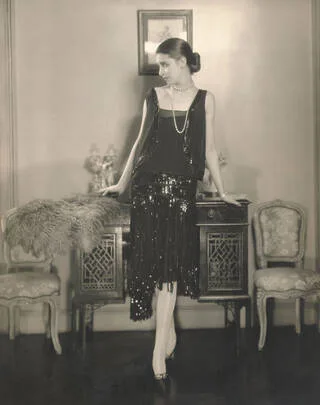
Gabrielle Chanel introduced the little black dress (LBD) in 1926, a pivotal moment in fashion history. At a time when women changed outfits multiple times daily for different occasions, the LBD offered a radical solution: a single garment that could transition seamlessly from day to evening. This concept was revolutionary, especially given the rigid social expectations of early 20th-century fashion.
In October 1926, American Vogue predicted that a black crêpe de chine day dress by Chanel would become 'the frock that all the world will wear.' This forecast proved accurate, as the dress quickly gained global recognition. Dubbed the 'Ford' of fashion—after the mass-produced automobile—the LBD symbolized modernity, accessibility, and universal appeal. Its simplicity and versatility made it an instant hit among women seeking practical yet stylish clothing.
The original 1926 design featured a sleek silhouette with a straight cut, minimal decoration, and a focus on comfort and movement. Crafted from jersey fabric, which Gabrielle Chanel had already popularized for its softness and ease of wear, the dress embodied her core design principles: comfort, simplicity, and wearability. This emphasis on functionality without sacrificing elegance set the tone for future iterations of the LBD.
Why Black Became a Fashion Statement
Before Gabrielle Chanel, black was primarily associated with mourning, service roles, or working-class attire. However, she redefined its place in fashion, promoting it as a chic and versatile choice for modern women. As early as the late 1910s, Chanel began incorporating black into her collections, challenging traditional notions of color in women’s wardrobes.
Her consistent use of black throughout her career cemented its status as a staple in high fashion. By the 1920s, black had evolved from a symbol of grief to one of sophistication and independence. The LBD became emblematic of this shift, representing not just a garment but a lifestyle—one that valued freedom, simplicity, and self-expression.
Chanel’s approach to black was minimalist yet powerful. She often stripped designs of excessive ornamentation, allowing the silhouette and fabric to speak for themselves. This philosophy extended beyond dresses to include accessories like jewelry and handbags, where black elements were used strategically to enhance rather than distract.
Evolution of the LBD Through the Decades
While the original 1926 LBD established the blueprint, Gabrielle Chanel continued to refine and reinterpret the design over the years. In the 1950s and 1960s, she introduced variations that reflected changing tastes and silhouettes while maintaining the essence of the original concept.
One notable example is the black lace cocktail dress from the Autumn/Winter 1956 collection. This strapless, form-fitting piece featured a boned foundation and a flared skirt supported by a stiffened petticoat. It demonstrated how the LBD could adapt to more formal settings without losing its signature elegance.
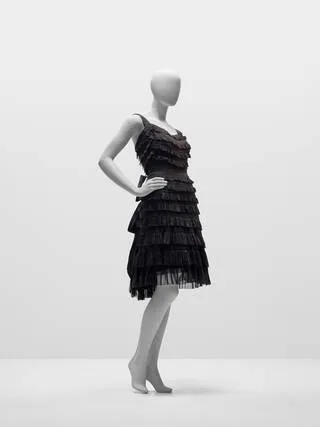
Another significant iteration came in the Spring/Summer 1961 collection, where a chiffon dress adorned with gathered ruffles and a striking black taffeta bow on the back showcased Chanel’s ability to balance femininity with structure. These designs were worn by iconic figures such as Delphine Seyrig in the New Wave film *Last Year at Marienbad*, further embedding the LBD into cinematic and cultural memory.
Cultural Impact and Enduring Legacy
The little black dress has transcended fashion to become a cultural icon. Its influence extends far beyond the runway, shaping how women dress for various occasions—from business meetings to red carpet events. The LBD’s timeless appeal lies in its adaptability; it can be dressed up with heels and jewelry or paired with flats and a cardigan for a casual look.
Its popularity was reinforced by high-profile endorsements. Marilyn Monroe famously stated in a 1952 interview that she wore only Chanel No. 5 perfume to bed, linking the brand’s fragrance to its fashion legacy. Similarly, Princess Grace of Monaco, Elizabeth Taylor, and Jacqueline Kennedy frequently wore Chanel suits and dresses, ensuring widespread media coverage and public admiration.
Today, the LBD remains an essential part of every woman’s wardrobe. While other designers have created their versions, none have matched the cultural resonance of Chanel’s original. The brand’s commitment to quality, craftsmanship, and innovation ensures that the LBD continues to evolve while honoring its roots.
The Role of Other Chanel Icons in Shaping the Brand
The success of the little black dress is inseparable from other iconic creations by Gabrielle Chanel. Her pioneering use of jersey fabric in the 1910s laid the groundwork for comfortable, modern clothing. By November 1916, American and British Vogue declared, 'Chanel is master of her art, and her art resides in jersey,' highlighting her transformative impact on fashion materials.
Equally influential was the launch of Chanel No. 5 in 1921. Created by perfumer Ernest Beaux using over 80 ingredients—including jasmine, ylang-ylang, sandalwood, May rose, and neroli—the scent was groundbreaking for its abstract composition and experimental use of aldehydes. The bottle itself, with its simple square shape and interlocking C logo, became instantly recognizable and remains largely unchanged today.
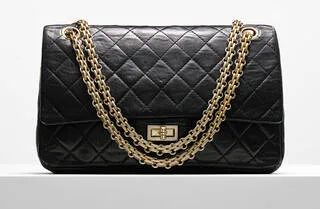
The 2.55 handbag, introduced in 1955, also played a crucial role in defining the Chanel aesthetic. With its quilted design, gold chain strap, and practical features like multiple pockets and a lipstick compartment, it combined style with function. This attention to detail reflects Chanel’s holistic vision of fashion as both art and utility.
Frequently Asked Questions
What made the little black dress so revolutionary in 1926?
The little black dress was revolutionary because it challenged the norm of changing clothes multiple times a day. Its versatility allowed women to transition effortlessly from day to evening wear, offering both practicality and elegance in a single garment.
Why did Chanel choose black for the dress?
Chanel chose black to redefine its meaning in fashion. Historically linked to mourning and servitude, she transformed it into a symbol of modernity, sophistication, and independence, making it accessible and desirable for everyday wear.
How has the little black dress evolved since 1926?
Since 1926, the LBD has evolved through changes in silhouette, fabric, and embellishment. While maintaining its core principles of simplicity and versatility, it has adapted to reflect contemporary styles, from 1950s lace cocktail dresses to modern minimalist cuts.
Is the little black dress still relevant today?
Yes, the little black dress remains a cornerstone of women’s wardrobes worldwide. Its timeless appeal and adaptability ensure it continues to be a go-to choice for various occasions, from formal events to casual outings.
Who helped popularize the little black dress?
The LBD gained widespread recognition through endorsements by celebrities like Marilyn Monroe, Princess Grace of Monaco, and Jacqueline Kennedy. Their public appearances in Chanel designs amplified the dress’s cultural significance and global reach.
What other iconic items did Gabrielle Chanel create?
Besides the little black dress, Gabrielle Chanel created several iconic items, including the 2.55 handbag, the tweed suit, and Chanel No. 5 perfume. Each of these products reflects her design philosophy of combining elegance, comfort, and innovation.