The Story Behind Bottega Veneta's Intrecciato Weave: Craftsmanship and Cultural Impact
Discover the origins, technique, and cultural impact of Bottega Veneta's iconic Intrecciato weave. Learn how this handcrafted leather artistry defines luxury fashion.
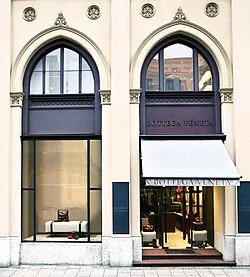
The Origin and Evolution of Bottega Veneta's Intrecciato Weave
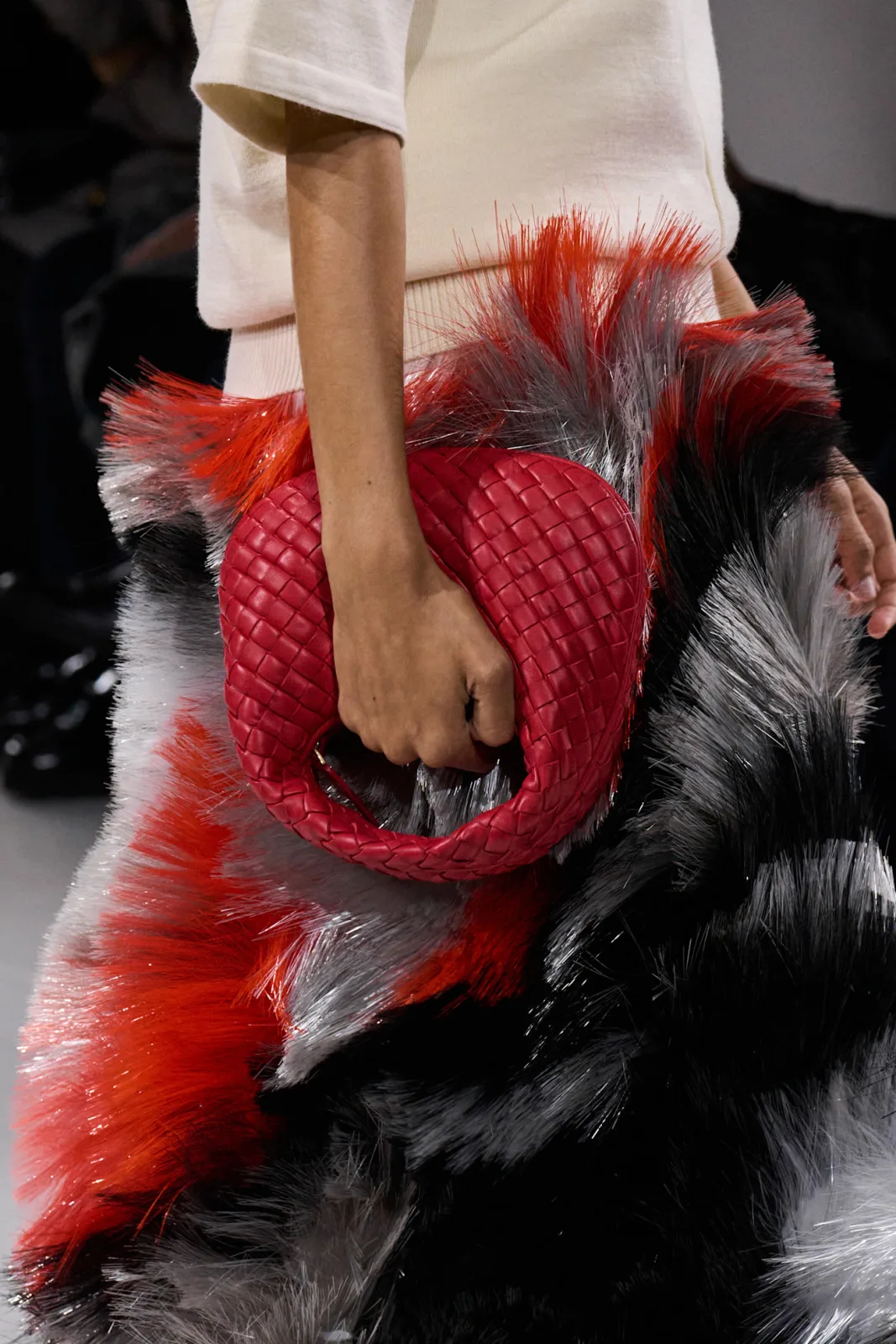
Bottega Veneta's signature Intrecciato weave is more than a design feature—it is the brand’s foundational craft. Developed in the 1970s by Michele Taddei and Renzo Zengiaro, the founders of the Italian luxury house established in 1966 in Vicenza, the technique was born from a desire to innovate within artisanal leather goods. Unlike traditional stitching or embossing, Intrecciato involves weaving narrow strips of premium calfskin through slits cut into another piece of leather, creating a durable, flexible textile that enhances both strength and aesthetic appeal.
This method, which resembles basket weaving but with high-grade leather, became synonymous with the brand. It was not merely decorative; it served functional purposes such as reinforcing leather structures and eliminating the need for visible stitching across large surfaces. The result is a seamless, textured finish that has become instantly recognizable in the world of luxury fashion.
In 1980, actress Lauren Hutton carried a Bottega Veneta Intrecciato bag in the film *American Gigolo*, cementing its status in pop culture. This moment marked a turning point—what began as a technical innovation evolved into a symbol of understated elegance. The bag was later revived in 2016 during the brand’s 50th anniversary show at the Accademia di Brera and renamed *The Lauren 1980*, highlighting its enduring legacy.
How the Intrecciato Technique Is Made: A Labor of Artisan Skill
Creating an Intrecciato bag is a meticulous process that demands exceptional skill and time. Each bag begins with the selection of premium hides—only the finest 10–15% of calfskin, lambskin, or suede are accepted after rigorous inspection for imperfections. These hides are then cut into precise strips, each measured to exact specifications to ensure uniformity in width and texture.
An experienced artisan spends between 8 and 15 hours weaving a single bag, depending on size and complexity. This labor-intensive process cannot be fully automated due to the subtle irregularities that define handcrafted excellence. The interlocking pattern creates flexibility while maintaining structural integrity, allowing bags to move naturally without becoming rigid.
After weaving, the leather is assembled with precision. Hardware components, typically made from solid brass and finished with gold or silver plating, are attached using premium zippers from manufacturers like YKK and Lampo. Interior linings are sewn with equal care, ensuring durability and a luxurious feel even in areas unseen by most users.
This commitment to craftsmanship extends beyond production. Bottega Veneta maintains workshops in Altavilla Vicentina, Malo, and Dueville in the Veneto region, where artisans specialize in specific techniques. Some focus exclusively on Intrecciato weaving, dedicating years to perfecting their craft. The brand also runs apprenticeship programs to pass down knowledge, ensuring continuity in quality.
Why No Logo? The Philosophy of Stealth Wealth
One of the most distinctive aspects of Bottega Veneta is its absence of visible branding. While competitors like Gucci and Louis Vuitton prominently display logos, Bottega Veneta chooses silence. This philosophy, encapsulated in the tagline "When your own initials are enough," reflects a belief that true luxury should speak for itself.
This approach aligns with the concept of "stealth wealth," a term coined by *Vogue* to describe consumers who value discretion over ostentation. By removing logos, Bottega shifts focus to craftsmanship, material quality, and silhouette. The Intrecciato weave becomes the primary identifier—not a monogram.
This strategy appeals to a discerning clientele who appreciate subtlety and longevity. A Bottega bag does not scream for attention; instead, it invites closer inspection. The texture, the precision of the weave, the richness of the leather—all these elements communicate value without needing external validation.
Moreover, this minimalist ethos contributes to timeless design. Unlike logo-heavy pieces that may feel dated as trends shift, Bottega bags maintain relevance over decades. A ten-year-old Intrecciato bag often looks just as current as a new one, thanks to its focus on form and function rather than fleeting styles.
The Role of Materials and Manufacturing in Defining Quality
Bottega Veneta’s dedication to quality extends beyond technique to the raw materials used. The brand sources its leather exclusively from Italian tanneries in Tuscany and Veneto, regions renowned for centuries-old traditions in leather production. Vegetable tanning, a slower and more sustainable method compared to chemical tanning, is employed to produce leather that develops a rich patina over time and resists deterioration.
Color application is equally meticulous. Dyes penetrate deeply into the leather rather than coating the surface, resulting in hues that deepen with age. Signature shades like Bottega Green are achieved through guarded formulas, ensuring consistency across batches and leather types.
Hardware receives similar attention. Solid brass components are cast and finished to exacting standards, contributing to the overall weight and durability of each piece. Even linings are upgraded—chosen for both longevity and tactile pleasure.
Manufacturing occurs primarily in Italy, where specialized workshops allow artisans to focus on specific skills. This level of specialization ensures every element receives expert attention. Quality control happens at multiple stages—from cutting to final packaging—with items rejected if they fail to meet standards, regardless of the labor already invested.
This commitment to Italian manufacturing sets Bottega apart in an era when many luxury brands outsource production. By maintaining ties to its roots, the brand preserves the authenticity that defines its identity.
Cultural Impact and Modern Relevance
Bottega Veneta’s influence extends beyond fashion into broader cultural conversations about luxury, identity, and sustainability. In 2021, under creative director Daniel Lee, the brand underwent a renaissance, introducing designs like the Pouch and Cassette bags that blended heritage with modern sensibilities. These pieces gained popularity among younger consumers, helping the brand remain relevant in a rapidly changing market.
Under Matthieu Blazy, who succeeded Lee in 2021, Bottega continued to evolve. He introduced innovative products such as trompe-l'œil denim leather pants and knitted leather sock-slippers, while maintaining respect for tradition. His inclusive management style involved craftspeople in the creative process, further emphasizing the brand’s artisanal roots.
In December 2024, Louise Trotter was appointed as the new creative director, bringing fresh perspectives while honoring the brand’s legacy. Her appointment signals a continuation of Bottega’s evolution, balancing innovation with timeless values.
The brand also supports cultural initiatives globally. Since 2021, Bottega Veneta has partnered with institutions like the Venice Dance Biennale, the Hyères International Festival, and the Aspen Art Museum. In October 2023, it inaugurated the Accademia Labor et Ingenium, offering artisanal training programs taught by master craftsmen to both employees and external students.
These efforts reinforce Bottega Veneta’s role not just as a fashion house, but as a steward of craftsmanship and cultural heritage.
Frequently Asked Questions
What makes the Intrecciato weave unique?
The Intrecciato weave is unique because it combines functionality and aesthetics through hand-woven leather strips. Unlike stitched or embossed designs, it creates a durable, flexible textile that enhances the strength of the leather while adding visual depth. The technique requires skilled artisans and takes 8–15 hours per bag, making it a hallmark of Bottega Veneta’s craftsmanship.
Why doesn’t Bottega Veneta use logos?
Bottega Veneta avoids visible logos to emphasize craftsmanship and discretion. The brand believes that quality should be self-evident, appealing to consumers who value subtlety over status signaling. This philosophy aligns with the concept of "stealth wealth" and allows the product’s inherent qualities—like the Intrecciato weave—to take center stage.
How long does it take to make a Bottega Veneta bag?
It takes approximately 8 to 15 hours to complete the Intrecciato weaving of a single bag, depending on its size and complexity. This time includes cutting, weaving, assembling, and finishing processes, all performed by skilled artisans in Italian workshops.
Where is Bottega Veneta manufactured?
Bottega Veneta is primarily manufactured in Italy, with workshops located in Altavilla Vicentina, Malo, and Dueville in the Veneto region. The brand maintains strong ties to its Italian heritage and prioritizes local production to uphold its standards of quality and craftsmanship.
What is the significance of Bottega Green?
Bottega Green is a signature shade developed through careful dyeing processes that penetrate deeply into the leather. Its specific depth and richness have become almost as recognizable as the Intrecciato weave itself. Achieving this exact color requires precise mixing and application, ensuring consistency across different leather types and production batches.
Who is the current creative director of Bottega Veneta?
As of December 2024, Louise Trotter is the creative director of Bottega Veneta. She succeeded Matthieu Blazy, who led the brand from 2021 to 2024. Trotter previously served as creative director at Carven and brings a fresh perspective while honoring the brand’s legacy of craftsmanship and minimalism.