The Story Behind Cartier's Trinity Ring: From 1924 to Modern Day
Discover the legacy of the Cartier Trinity ring, designed in 1924 by Louis Cartier. Learn about its symbolism, evolution, and enduring appeal in modern jewelry.
The Origins of the Cartier Trinity Ring
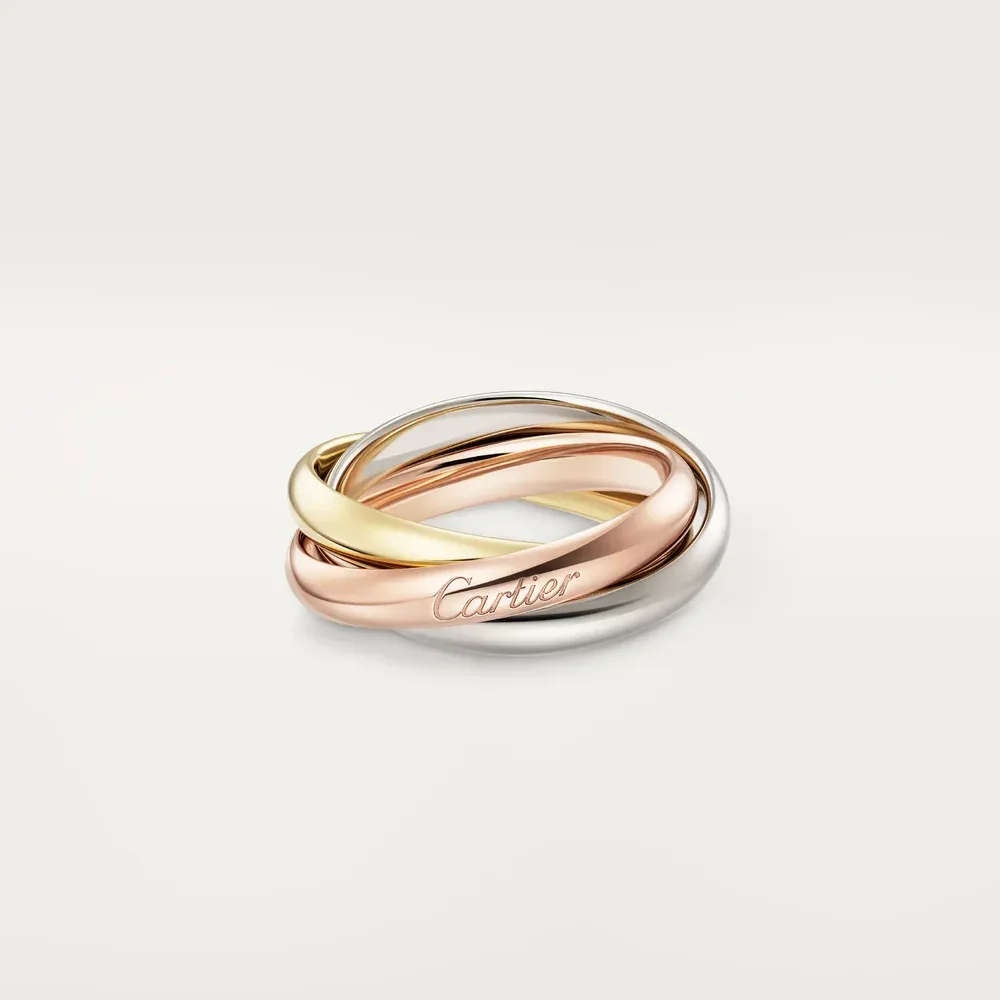
The Cartier Trinity ring was conceived in 1924 by Louis Cartier, a pivotal figure in the brand’s history. As the grandson of the founder Louis-François Cartier, Louis Cartier played a central role in shaping the house’s iconic designs. The Trinity ring emerged as one of his most enduring creations, symbolizing love, friendship, and loyalty through three interlocking bands crafted in yellow, white, and rose gold.
This design marked a departure from traditional jewelry forms, introducing a minimalist yet deeply symbolic concept that resonated across generations. Unlike ornate pieces of the era, the Trinity ring emphasized clean lines and balanced proportions, reflecting a modernist sensibility that would define much of Cartier’s later work.
Symbolism and Design Philosophy
At its core, the Trinity ring is more than a piece of jewelry—it is a representation of emotional bonds. The three distinct gold tones are not merely aesthetic choices but carry specific meanings: yellow gold for love, white gold for friendship, and rose gold for loyalty. These elements intertwine seamlessly, creating a visual metaphor for unity and harmony.
The rolling band design ensures that each color remains visible regardless of how the ring is worn, reinforcing the idea that these values are inseparable. This thoughtful engineering has contributed to the ring’s timeless appeal, making it suitable for both everyday wear and special occasions.
Evolution Across Decades
Since its debut in 1924, the Trinity ring has remained largely unchanged in its fundamental structure. However, over time, Cartier expanded the collection to include various models such as the classic, small, and cushion styles. Each iteration maintains the original trio of golds while offering different proportions and finishes to suit diverse preferences.
In addition to rings, the Trinity motif has been adapted into earrings, bracelets, and pendants, allowing wearers to express their affinity for the design across multiple accessories. For instance, the Trinity bracelet on cord offers a lightweight alternative that retains the signature tri-color theme without the weight of solid metal.
Versatility and Everyday Wearability
One reason the Trinity ring has become a staple in many jewelry collections is its versatility. The combination of neutral gold tones allows it to complement both casual and formal attire effortlessly. Whether paired with a simple t-shirt or an evening gown, the ring adds a touch of elegance without overpowering other elements of the outfit.
According to a 2026 editorial from Phia, the Trinity ring is often described as 'the easiest Cartier piece to wear every day.' Its understated charm makes it ideal for those seeking a sophisticated accessory that doesn’t demand constant attention.
The Trinity Collection Today
Today, the Trinity line continues to be one of Cartier’s most recognizable and beloved offerings. It stands alongside other iconic collections like the Love bracelet and the Tank watch, forming part of the brand’s enduring legacy. The ring is available in multiple sizes and can be customized with diamonds or gemstones for added sparkle.
Pre-owned versions of the Trinity ring are also widely available through retailers such as Bloomingdale’s, offering buyers access to the same design at potentially lower prices. Vintage Cartier pieces often retain strong resale value due to their craftsmanship and historical significance.
Moreover, the consistency between new and pre-owned Trinity rings means that even older models closely resemble current boutique versions, ensuring continuity in style and quality.
Why the Trinity Ring Remains a Foundational Piece
For collectors and enthusiasts alike, the Trinity ring serves as a foundational element when building a Cartier jewelry collection. Its simplicity and universal appeal make it an excellent starting point, especially for first-time buyers who may be overwhelmed by more elaborate designs.
As recommended in Phia’s guide, pairing the Trinity ring with other Cartier staples—such as a Tank Must watch or a Love bracelet—creates a cohesive look that reflects personal taste while honoring the brand’s heritage.
Frequently Asked Questions
What does the Cartier Trinity ring symbolize?
The Cartier Trinity ring symbolizes love, friendship, and loyalty. These three values are represented by the interlocking bands of yellow, white, and rose gold, which remain visible no matter how the ring is worn.
When was the Trinity ring first created?
The Trinity ring was first designed in 1924 by Louis Cartier, making it one of the oldest and most enduring designs in the Cartier catalog.
Is the Trinity ring available in different sizes and styles?
Yes, the Trinity ring comes in various models including classic, small, and cushion styles. It is also available in earrings, bracelets, and pendants, allowing for versatile styling options.
Can I buy a pre-owned Trinity ring?
Yes, pre-owned Trinity rings are available from reputable retailers like Bloomingdale’s and online platforms such as myGemma. These pieces often offer better value while maintaining the same high standards of craftsmanship.
How does the Trinity ring compare to other Cartier designs?
Unlike bolder pieces like the Panthère or Clash de Cartier collections, the Trinity ring is known for its subtlety and versatility. It works well with both gold and silver jewelry and pairs easily with watches and other accessories.
Is the Trinity ring still produced today?
Yes, the Trinity ring continues to be produced today with consistent design elements. New versions maintain the original tri-gold composition and rolling band structure, ensuring continuity with the 1924 design.