Rimowa vs Tumi: Which Luggage Brand Offers Better Value?
Compare Rimowa and Tumi luggage based on warranty terms, repair accessibility, materials, and long-term value. Discover which brand delivers better service and durability.
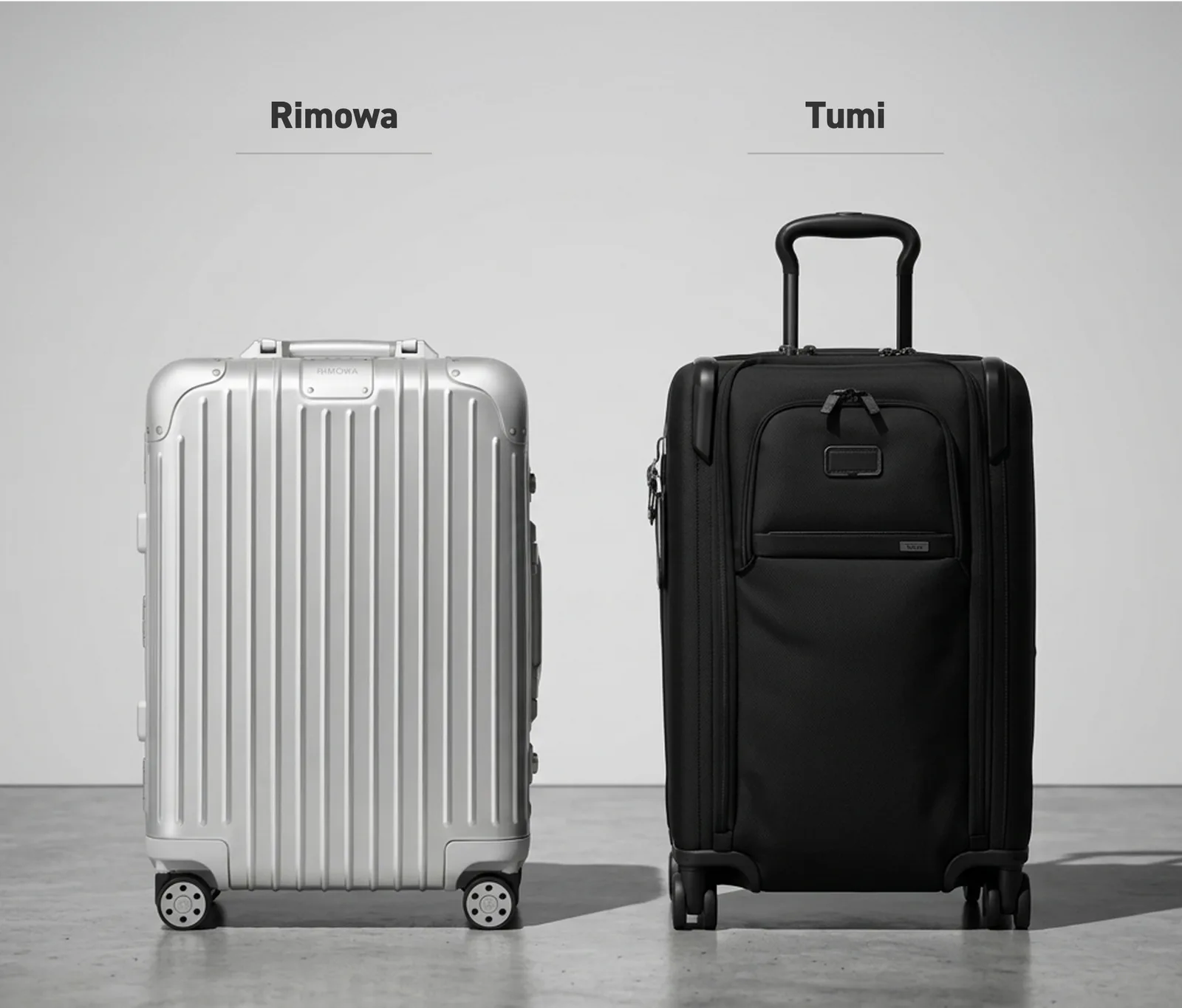
Rimowa vs Tumi: Which Offers Better Value?
In recent years, the choice between Rimowa and Tumi luggage has shifted from aesthetics or brand prestige to practicality, repairability, and long-term ownership. Historically, Rimowa was known as an engineering-driven brand focused on durable, user-serviceable aluminum cases, while Tumi emphasized luxury branding and high-end materials like ballistic nylon. Today, that dynamic has reversed.
Rimowa, now under LVMH, has shifted toward a luxury product model with limited repair access and higher prices. Tumi, acquired by Samsonite in 2016, has evolved into a more service-oriented brand with improved warranty support and easier repair processes. This shift makes Tumi a stronger contender for travelers seeking reliable, long-term value.
Historical Brand Identities
**Rimowa’s Engineering Heritage**
Rimowa began as a German engineering company that happened to manufacture luggage. Its signature grooved aluminum shells, riveted construction, and user-replaceable parts reflected a design philosophy centered on longevity and maintenance. Early Rimowa suitcases came with tools to allow owners to replace wheels, handles, and hardware themselves—evidence of a brand that expected its products to be repaired rather than replaced.
This hands-on approach made Rimowa a favorite among frequent travelers who valued durability and self-sufficiency. The brand’s focus on functional design over flashy branding set it apart from competitors.
**Tumi’s Luxury Aesthetic**
Tumi, in contrast, built its reputation around status and style. With its black-on-black FXT ballistic nylon bags and prominent logos, Tumi became synonymous with airport lounge sophistication. While build quality was solid, service and repair were historically less accessible. Customers often faced delays when seeking parts or repairs, and the process lacked the transparency seen today.
The brand’s appeal lay in its sleek appearance and premium feel, making it a go-to for business travelers who wanted their luggage to reflect success.
Changes After Acquisition in 2016
Both brands underwent significant transformations after being acquired in 2016. Rimowa joined LVMH, aligning itself with other luxury houses and elevating its positioning. Prices increased, and the brand reduced its dealer network to control customer experience through direct channels. As a result, repairs are now restricted to authorized partners, ending the era of DIY fixes.
Tumi, acquired by Samsonite, benefited from the parent company’s extensive logistics and manufacturing expertise. Since then, accessing replacement parts has become easier, and warranty claims are processed more efficiently. What once felt like a luxury brand with limited support has become a dependable option for travelers who prioritize serviceability.
Warranty Comparison: Lifetime vs. Five Years
Warranty terms are a key factor in evaluating luggage value. Rimowa offers a lifetime guarantee on functional parts for wheeled suitcases purchased from a specific date onward. However, this coverage excludes airline damage, cosmetic wear, misuse, and abuse. Non-wheeled items receive only a two-year warranty.
Tumi provides a five-year warranty on wheeled luggage and body-worn bags, with a two-year warranty on accessories and small leather goods. The first year includes what they call "worry-free" coverage, which extends to airline damage and includes free shipping both ways.
While Rimowa’s lifetime warranty sounds more generous, the real difference lies in accessibility. Tumi’s five-year warranty is typically usable in-store at authorized retailers, allowing customers to drop off their bags for repair without shipping. Rimowa’s lifetime guarantee requires shipping the bag to the brand or a trusted partner, creating logistical hurdles—especially for those outside major cities.
For many users, a warranty is only valuable if it can be accessed easily. In practice, Tumi’s shorter but more accessible warranty often proves more useful than Rimowa’s longer but harder-to-use one.
Materials and Design Philosophy
**Rimowa: Aluminum and Polycarbonate Only**
Rimowa remains committed to aluminum and polycarbonate materials. Its aluminum cases feature distinctive grooved shells that offer a unique look and feel unmatched by other brands. These materials provide excellent durability and resistance to impact, making them ideal for heavy-duty travel.
However, Rimowa does not offer organizational features such as garment compartments, laptop sleeves, or expansion options. Its designs are minimalist, focusing on form and structure rather than function.
**Tumi: Diverse Materials and Organizational Features**
Tumi uses a wider range of materials, including FXT ballistic nylon, polycarbonate, aluminum (in the 19 Degree collection), and Tegris composite. This variety allows for different styles and performance levels across its lineup.
More importantly, Tumi emphasizes organization. Many of its bags include multiple pockets, dedicated laptop sleeves, garment compartments, and expansion zones. Some models even feature add-a-bag hooks, enhancing versatility during trips.
A Rimowa suitcase is essentially a beautiful empty box. A Tumi bag is a system designed to help you transition seamlessly from airport to meeting without unpacking.
Resale Value and Cost
Rimowa luggage tends to hold its resale value better than any other brand, thanks to its premium positioning and iconic design. This can be a significant advantage for buyers who plan to sell their bags later.
Tumi, while still high-quality, generally depreciates faster. Its lower initial price point makes it more accessible, but used Tumi bags command less resale value compared to Rimowa counterparts.
Whether this matters depends on your intentions. If you’re buying luggage as a long-term investment with potential resale, Rimowa may have an edge. But if you’re looking for a reliable bag that performs well over time without worrying about resale, Tumi offers strong value.
Customer Service and Repair Accessibility
Repair accessibility is where the two brands diverge most significantly.
Rimowa now restricts repairs to authorized channels, meaning customers must ship their bags directly to the brand or a certified partner. This process can be inconvenient, especially for those without nearby service centers. The brand’s own repair page states that only Rimowa and its trusted partners can care for your luggage—a clear departure from the tool-included era.
Tumi, by contrast, has streamlined its repair process. Parts are easier to obtain, and many authorized retailers can handle repairs on-site. Warranty claims are processed smoothly, and the first year of coverage includes free round-trip shipping for airline-related damage.
For travelers who expect occasional wear and tear, Tumi’s service model offers greater peace of mind.
Final Verdict: Which Brand Offers Better Value?
If you want a Rimowa, buy a Rimowa—but understand that you're purchasing a luxury product with a luxury service model. Be prepared for the inconvenience of shipping your bag for repairs and accept that the brand no longer supports DIY maintenance.
If you’re looking for a high-quality, durable suitcase that can be repaired locally and reliably over time, Tumi is the better choice. It offers excellent build quality, superior organizational features, and a more accessible warranty process.
The irony is clear: the brand that once came with a tool is now the one you cannot fix yourself, while the brand that once prioritized branding has become the sensible long-term buy.
For travelers who value functionality, serviceability, and ease of repair, Tumi delivers better value. For those drawn to iconic design and resale potential, Rimowa remains a compelling option—just with different expectations.
Learn more about how to spot a genuine Louis Vuitton Monogram Bag
Discover whether the Cartier Santos Watch is worth the investment
Frequently Asked Questions
Is Rimowa luggage worth the price?
Rimowa luggage is worth the price if you value its iconic aluminum design and long-term resale value. However, its limited repair access and higher cost mean it’s best suited for buyers who prioritize aesthetics and brand prestige over convenience.
Does Tumi offer better repair service than Rimowa?
Yes. Tumi has improved its repair accessibility since being acquired by Samsonite. Many authorized retailers can perform repairs in-store, and parts are easier to obtain. Rimowa, by contrast, requires shipping bags to authorized partners, making repairs less convenient.
What’s the difference between Rimowa and Tumi materials?
Rimowa uses only aluminum and polycarbonate, with aluminum cases offering a distinctive grooved shell. Tumi offers a broader range of materials, including FXT ballistic nylon, polycarbonate, aluminum, and Tegris composite, along with enhanced organizational features.
Can I fix a Rimowa suitcase myself?
No. Rimowa no longer supports user-repairable parts. The brand now restricts repairs to authorized channels, requiring customers to ship their bags for service. This marks a significant change from earlier models that included tools for DIY fixes.
Which luggage brand has the best warranty?
While Rimowa offers a lifetime warranty on functional parts, Tumi’s five-year warranty is more accessible in practice. For most travelers, Tumi’s warranty is more useful due to in-store repair options and free shipping for the first year. Briggs & Riley, however, offers comprehensive coverage, including lifetime protection for functional repairs and airline damage.
Why did Tumi become more serviceable than Rimowa?
After being acquired by Samsonite in 2016, Tumi leveraged the parent company’s logistics and manufacturing expertise to improve repair processes. Parts became easier to source, and warranty claims are now handled more efficiently, making Tumi a more reliable long-term investment.