How to Authenticate a Vintage Gucci Jackie Bag vs. a Counterfeit: Key Signs of Authenticity
Learn how to identify a genuine vintage Gucci Jackie bag with key authenticity markers including materials, hardware, and design details from the 1960s era.
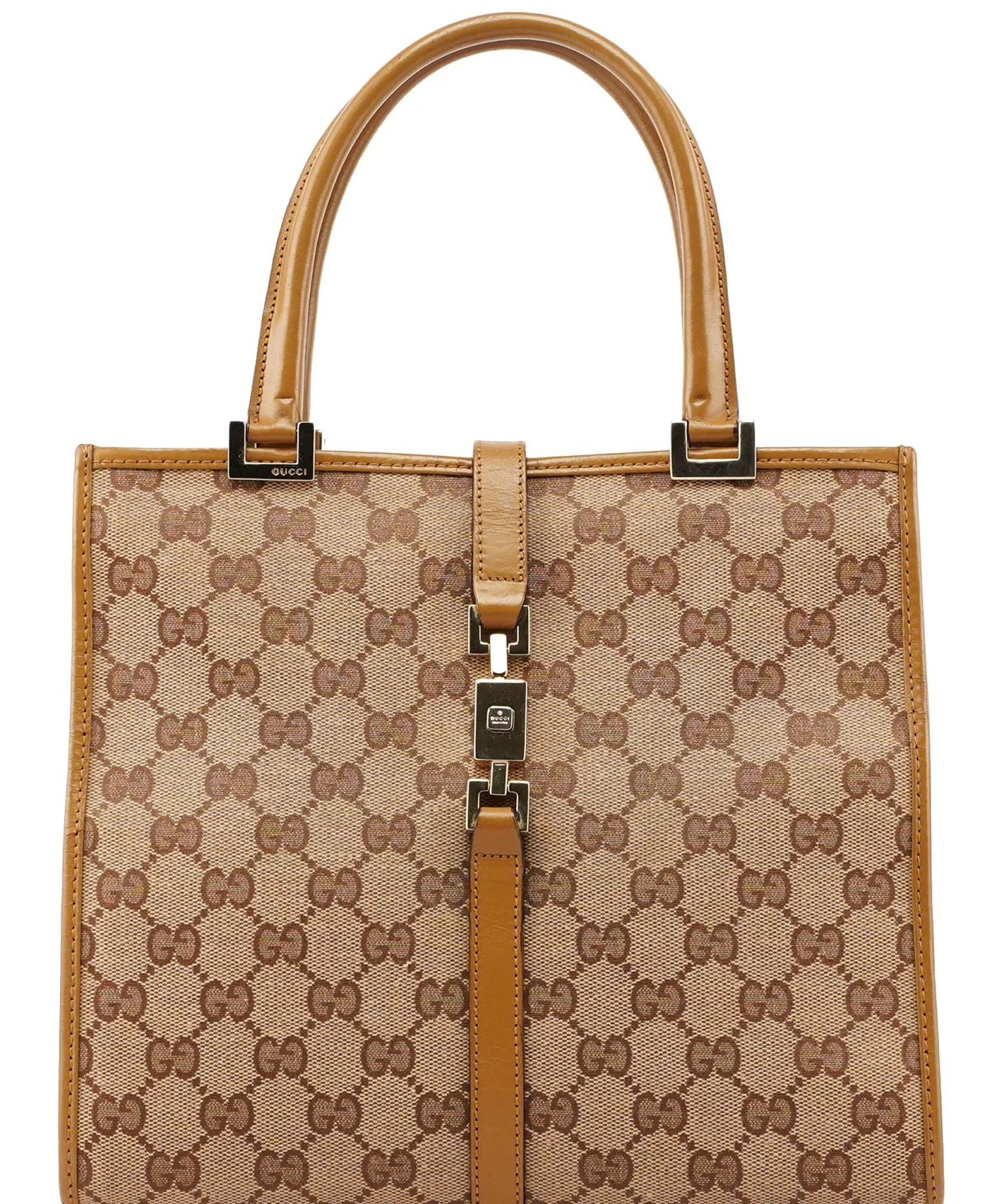
How to Authenticate a Vintage Gucci Jackie Bag: What to Look For
The Gucci Jackie bag, originally designed in the 1960s and named after Jackie Kennedy, remains one of the most iconic handbags in fashion history. Recognizable by its curved silhouette and signature piston clasp, the Jackie bag has been reissued multiple times, including during Tom Ford’s tenure in the late 1990s and early 2000s. Today, vintage versions are highly sought after, but their popularity also makes them prime targets for counterfeits. Understanding the key signs of authenticity is essential when purchasing a vintage Gucci Jackie bag.
The Signature Design Elements
Authentic vintage Gucci Jackie bags feature a distinct curved shape that sets them apart from other styles. This silhouette was first introduced in the 1960s and has remained consistent across original iterations. A defining characteristic is the piston clasp—a functional closure mechanism that operates like a push-button lock. Unlike modern reinterpretations, vintage models typically have a more compact, refined clasp that fits snugly into the bag’s frame.
Another hallmark is the presence of the GG monogram pattern on canvas versions. Genuine vintage Gucci bags use a specific weave and print technique that results in a slightly raised texture and consistent spacing between the interlocking Gs. In contrast, counterfeit versions often display uneven lettering or overly sharp edges that lack depth.
Materials and Construction
Vintage Gucci Jackie bags were crafted using high-quality materials such as calf leather, canvas, suede, patent leather, and satin. Each material should exhibit natural aging characteristics—such as slight patina on leather or subtle fading on canvas—without appearing worn out or damaged. For example, authentic black calfskin bags will show minor creasing over time, while fake versions may appear unnaturally stiff or uniformly smooth.
Canvas versions often feature a combination of GG Supreme fabric and leather trim. The stitching should be precise, with even tension and no loose threads. On genuine bags, the leather trim is usually stitched directly onto the canvas with small, uniform stitches spaced approximately 3–4 millimeters apart. Counterfeits frequently have inconsistent stitching patterns or visible glue residue along the seams.
Hardware and Clasp Details
The hardware on an authentic vintage Gucci Jackie bag is made from solid brass or nickel-plated metal, depending on the era. It should feel heavy and substantial, with a polished finish that shows minimal tarnishing. The piston clasp, in particular, must operate smoothly without sticking or wobbling. When pressed, it should click firmly into place and remain secure.
Look closely at the logo stamping on the hardware. Original pieces bear the Gucci name or double-G emblem engraved in a clean, legible font. Counterfeit clasps often have blurred or misaligned lettering, sometimes with spelling errors or incorrect proportions. Additionally, the hardware should match the overall aesthetic of the bag—gold-tone hardware on beige or red bags, silver-tone on black or dark blue ones.
Color and Material Variants
Vintage Gucci Jackie bags come in a range of colors, including black, beige, brown, blue, green, red, white, and pink. These color options were available across different eras and materials. For instance, the 1960s originals commonly featured neutral tones like black and beige, while later reissues under Tom Ford introduced bolder hues and exotic skins.
When evaluating a bag, consider whether the color matches known production periods. For example, a bright fuchsia leather Jackie bag from the 1960s would be highly unusual and likely a reproduction. Similarly, certain combinations—like red GG canvas with gold hardware—are rare and should be verified through documented examples.
Authentication Through Retailers and Provenance
One reliable way to ensure authenticity is to purchase from reputable vintage retailers who specialize in designer handbags. Sites like Rediscover Vintage offer vintage Gucci Jackie bags and provide detailed product descriptions, including model numbers, materials, and condition reports. These sellers often include photos of serial tags, dust bags, and original packaging when available.
Provenance also plays a crucial role. Bags with original receipts, care cards, or documentation from past owners carry added credibility. While not all vintage items come with paperwork, those that do tend to command higher prices due to their verifiable history.
Comparing with Contemporary Reissues
It's important to distinguish between vintage Jackie bags and modern re-editions. Gucci has released updated versions of the Jackie bag in recent years, such as the Jackie 1961 Medium Shoulder Bag, which retails for £2430. These contemporary models feature updated hardware, larger dimensions, and sometimes additional compartments. They are typically sold with branded dust bags and authenticity cards.
While these new versions are legitimate products, they differ significantly from vintage counterparts in terms of construction, materials, and craftsmanship. For collectors seeking true vintage pieces, focusing on pre-2000 models ensures historical value and rarity.
Common Red Flags of Counterfeits
Several indicators can help identify a counterfeit Gucci Jackie bag:
- **Poor Stitching**: Irregular or skipped stitches, especially around the base or handles.
- **Mismatched Hardware**: Clasps that don’t align properly or have incorrect logos.
- **Inconsistent Logo Placement**: The GG monogram may be off-center or improperly scaled.
- **Unrealistic Pricing**: If a bag is priced far below market value (e.g., under $300 for a 1960s model), it’s likely fake.
- **Lack of Wear**: Vintage bags naturally show signs of use; if a bag looks brand new despite being decades old, it may be a reproduction.
Frequently Asked Questions
How can I tell if my vintage Gucci Jackie bag is real?
Check for the signature curved silhouette, piston clasp, and consistent GG monogram pattern. Examine the hardware for proper weight and engraving, and verify the stitching quality. Purchasing from trusted vintage dealers increases confidence in authenticity.
Are there differences between 1960s and 1990s Gucci Jackie bags?
Yes. The 1960s originals had simpler designs with classic materials like calfskin and canvas. The 1990s reissues under Tom Ford featured bold colors, exotic leathers, and larger proportions, reflecting the era’s fashion trends.
Can I authenticate a Gucci Jackie bag online?
Yes, many experts offer remote authentication services. Provide clear photos of the bag’s exterior, interior, hardware, and any labels. Compare your item against known examples from reputable sources like Rediscover Vintage or auction houses.
What materials were used in vintage Gucci Jackie bags?
Original vintage Jackie bags were made from calf leather, canvas, suede, patent leather, and satin. Canvas versions often included the GG Supreme pattern, while leather variants ranged from smooth calfskin to textured nubuck.
Is the Gucci Horsebit bag related to the Jackie bag?
No, the Horsebit bag is a separate design inspired by equestrian motifs introduced in 1953. While both are iconic Gucci styles, they differ in shape, hardware, and history. The Horsebit features a double-ring motif, whereas the Jackie uses a piston clasp.
Where can I buy a genuine vintage Gucci Jackie bag?
Reputable vintage retailers such as Rediscover Vintage specialize in authentic vintage Gucci bags. Always review seller ratings, ask for detailed photos, and request provenance information before purchasing.
How to Spot a Genuine Hermès Herbag vs. a Counterfeit: Key Authentication Tips
How to Spot a Genuine Cartier Watch vs. a Counterfeit: Key Authentication Tips