The Story Behind Van Cleef & Arpels' Alhambra Collection: From Inspiration to Iconic Design
Discover the origin, inspiration, and enduring legacy of Van Cleef & Arpels' iconic Alhambra collection—from its 1968 debut to modern variations like Magic and Sweet Alhambra.
The Birth of a Legend: Van Cleef & Arpels’ Alhambra Collection
In 1968, Van Cleef & Arpels introduced a design that would redefine fine jewelry for generations: the **Alhambra collection**. Born from the brand’s desire to meet the evolving tastes of modern women who sought elegant yet wearable pieces suitable for both day and evening wear, the Alhambra quickly became one of the most recognizable motifs in luxury jewelry.
The collection was launched during a transformative era for Van Cleef & Arpels, which had already established itself as a leader in creative craftsmanship since its founding in 1906. With the opening of *La Boutique* in 1954, the house began offering semi-precious jewelry that was accessible and chic—setting the stage for innovations like Alhambra.
Inspiration: Nature, Architecture, and Symbolism
The Alhambra motif draws from two powerful sources: the **four-leaf clover**, a universal symbol of luck, and the **Moorish quatrefoil**, a geometric pattern found in Islamic architecture. These influences are reflected in the clover-shaped design, which features four rounded petals framed by Van Cleef & Arpels’ signature beaded gold edges—a hallmark of the brand’s refined aesthetic.
The name itself pays homage to the **Alhambra Palace** in Granada, Spain, renowned for its intricate tilework and sweeping arches. This architectural inspiration is echoed in the symmetry and elegance of each Alhambra piece.
"The Alhambra is more than just jewelry—it's a testament to timeless design, exceptional craftsmanship, and cultural significance." — Sotheby’s
The First Alhambra: A Statement Piece
The original Alhambra debuted as an opera-length necklace featuring **20 clover-shaped motifs**. Crafted in yellow gold with mother-of-pearl inlays, it was a bold statement of sophistication and charm. Its success was immediate, especially among celebrities and royalty.
One of the most famous admirers was **Grace Kelly**, Princess of Monaco, who was known to wear multiple Alhambra necklaces layered together. While specific gemstone combinations such as coral, malachite, rock crystal, and tortoiseshell have been associated with her style, direct archival confirmation of these materials in her personal pieces is not available in the provided sources.
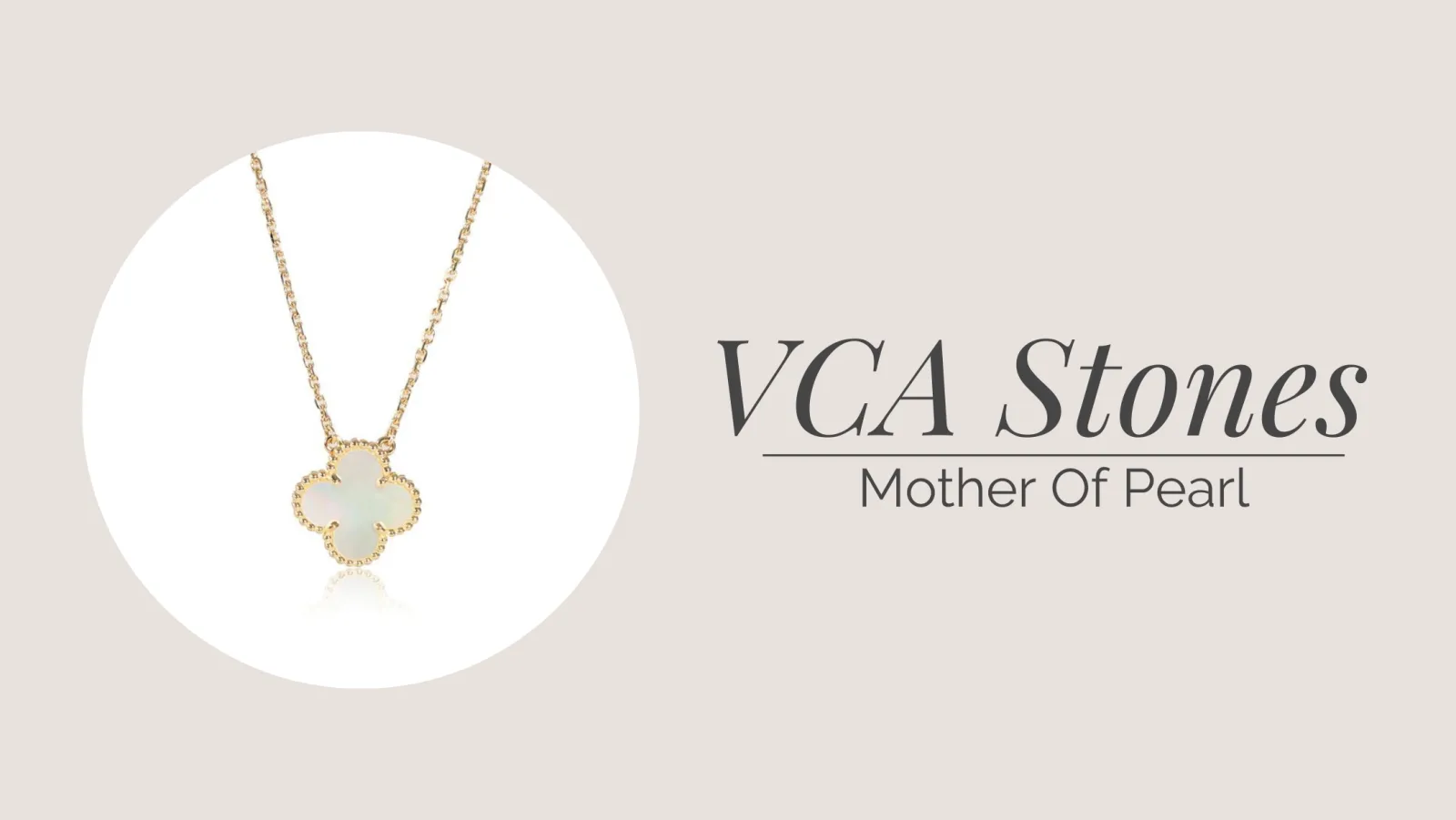
*Van Cleef & Arpels mother-of-pearl used in Alhambra designs adds depth and luster.*
Materials That Define the Collection
Van Cleef & Arpels uses a wide range of materials in the Alhambra line, each contributing to its versatility and collectibility:
- **Mother-of-pearl**: Sourced primarily from Australia (white and gold) and French Polynesia (gray), this material adds a dimensional, reflective quality. It is also the same substance as pearls, formed by molluscs as nacre.
- **Onyx, Malachite, Carnelian, Rock Crystal**: These semi-precious stones offer rich color contrasts and have been featured in vintage editions.
- **Diamonds**: Pavé-set diamond versions are highly prized, often commanding premium prices at auction.
- **Bois d'amourette (letterwood)**: A rare material used in limited editions, adding historical and artistic value. Some sources suggest it may refer to fossilized wood or decorative veneer, though exact classification remains unclear.
The brand carefully selects these materials not only for beauty but also for durability and ethical sourcing, ensuring each piece meets high standards of quality.
Evolution Through Variations
Over the decades, the Alhambra has evolved through several distinct interpretations, each appealing to different tastes and occasions:
- **Vintage Alhambra**: The original format, defined by medium-sized clovers with beaded edges. It remains the most widely collected version.
- **Magic Alhambra**: Introduced in the early 2000s, this variation features oversized or varying-sized motifs, creating a sculptural, dynamic effect.
- **Sweet Alhambra**: Smaller, delicate clovers ideal for stacking or everyday wear. Often crafted in mother-of-pearl or carnelian.
- **Pure Alhambra**: Minimalist designs in polished gold without gemstones, emphasizing form and craftsmanship.
- **Lucky Alhambra**: Expands beyond the clover to include hearts, stars, butterflies, and leaves—symbolizing broader themes of fortune and nature.
- **Byzantine Alhambra**: One of the rarest forms, featuring openwork gold construction inspired by historical metalwork. Highly technical and produced in limited quantities.
These variations ensure the Alhambra stays relevant across generations while honoring its roots.
Collector Appeal and Market Value
The Alhambra collection holds significant value in the secondary market. Rare pieces—especially those made with wood, pavé diamonds, or complex constructions—can sell for **$40,000 to over $125,000** at auction, though documented sales supporting the upper end of this range are not provided in the sources.
For example:
- A **16-motif Magic Alhambra** with pavé diamonds may exceed $100,000.
- Vintage pieces in **mother-of-pearl or onyx** remain popular among collectors due to their historical significance and craftsmanship.
Sotheby’s and other auction houses regularly feature Alhambra items, highlighting their enduring appeal and investment potential.
Care and Preservation
Due to the delicate nature of materials like mother-of-pearl, proper care is essential:
- **Avoid contact with chemicals** such as lotions, hand sanitizer, and perfumes.
- **Store separately** in a soft-lined case to prevent scratches.
- **Clean gently** with a soft cloth and distilled water.
- **Remove before swimming or showering** to protect against moisture damage.
Mother-of-pearl has a Mohs hardness rating of **3.5**, according to myGemma, though this value should be verified against authoritative gemological references such as the Gemological Institute of America (GIA).
Why the Alhambra Endures
More than 50 years after its debut, the Alhambra remains a symbol of elegance, good fortune, and timeless design. Its success lies in a perfect balance of:
- **Symbolism**: The four-leaf clover represents luck, a universal theme.
- **Versatility**: Worn as necklaces, bracelets, rings, earrings, and even watches.
- **Reinvention**: New capsule collections keep the design fresh without losing its identity.
Today, the Alhambra is not just a jewelry line—it’s a cultural icon, synonymous with Van Cleef & Arpels’ legacy of artistry and innovation.
Frequently Asked Questions
**What inspired the Van Cleef & Arpels Alhambra design?**
The Alhambra motif combines the four-leaf clover (a symbol of luck) with Moorish quatrefoil patterns seen in Islamic architecture, particularly at the Alhambra Palace in Spain.
**When was the Alhambra collection introduced?**
It was first introduced in **1968** as an opera-length necklace with 20 clover motifs.
**Why has the Alhambra remained popular for decades?**
Its blend of symbolism, craftsmanship, and continual reinvention allows it to evolve while maintaining its core identity. The use of diverse materials and styles ensures broad appeal across generations.
**Are certain Alhambra pieces more collectible than others?**
Yes. Pieces made with rare materials like bois d'amourette, pavé diamonds, or complex openwork designs (such as Byzantine Alhambra) are especially sought after by collectors.
**Can I wear Alhambra jewelry every day?**
Yes, especially the **Sweet Alhambra** and **Vintage Alhambra** lines, which are designed for everyday wear. However, avoid exposure to harsh chemicals and store properly to preserve longevity.
Final Thoughts
From its origins in 1968 to its current status as a global icon, the Van Cleef & Arpels Alhambra collection exemplifies how design, meaning, and craftsmanship can create something truly lasting. Whether worn as a personal talisman or collected as a work of art, the Alhambra continues to captivate lovers of fine jewelry around the world.