Omega Co-Axial Technology: How It's Shaping the Future of Luxury Watches
Discover how Omega's Co-Axial technology reduces friction, extends service intervals, and enhances accuracy—key to modern luxury watch innovation.
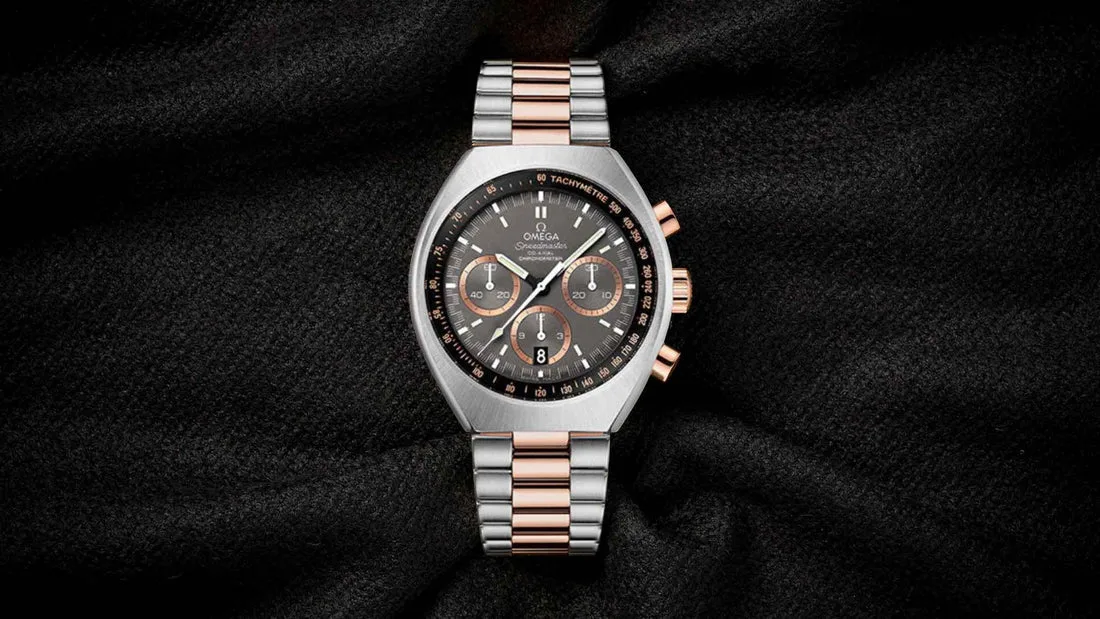
The Evolution of Omega’s Co-Axial Technology
Omega has long stood at the forefront of horological innovation, and its development of the Co-Axial escapement in 1999 marked a pivotal moment in modern watchmaking. Introduced by Nicolas Hayek during his leadership of the Swatch Group, this proprietary system was designed to address one of the most persistent challenges in mechanical timepieces: friction between the escape wheel and pallet fork.
Unlike traditional lever escapements, which rely on direct contact that causes wear and requires frequent lubrication, the Co-Axial escapement uses a three-part mechanism where the impulse and locking functions are separated. This design significantly reduces friction, allowing for longer intervals between full overhauls and minimizing the need for re-lubrication. As a result, Omega watches equipped with Co-Axial movements typically require servicing every 5 to 8 years, compared to the 4–6 year cycle common for manual-wind or conventional automatics.
This advancement not only improves longevity but also enhances chronometric precision. By reducing energy loss due to friction, the movement maintains consistent performance over time, contributing to more accurate timekeeping.
Why Co-Axial Matters for Modern Watch Owners
For collectors and everyday wearers alike, the benefits of Co-Axial technology extend beyond technical superiority. Routine maintenance becomes less burdensome, as the reduced friction means fewer parts degrade quickly. However, even with this innovation, regular inspections every 2 to 3 years are still recommended to check gaskets, seals, and timing accuracy.
Gaskets, in particular, remain vulnerable to aging and environmental exposure. While the Co-Axial movement itself may last longer, water resistance depends on intact seals. Divers using Seamaster models are advised to schedule annual pressure tests to ensure continued reliability underwater. After saltwater exposure, rinsing the watch with fresh water and drying it thoroughly helps prevent corrosion and seal degradation.
Moreover, the Co-Axial system supports Omega’s broader commitment to precision certification. In 2015, the brand introduced the Master Chronometer certification, which requires watches to pass rigorous testing—including magnetic resistance, water resistance, and chronometric accuracy—beyond COSC standards. Many Co-Axial calibers, such as the 8500 and 8900, are now used in Master Chronometer-certified models like the Seamaster Diver 300M and Aqua Terra.
Future Innovations and Omega’s Vision
While the Co-Axial escapement remains a cornerstone of Omega’s engineering philosophy, the brand continues to push boundaries. The introduction of the Calibre 8500 in 2017 marked a milestone: it was the first complete in-house movement built specifically for the Co-Axial system, reinforcing Omega’s status as a Manufacture Horlogère capable of designing and producing all components internally.
Future developments may include further refinements in materials, such as silicon components that resist magnetism and reduce wear, and enhanced anti-magnetic shielding. These innovations align with Omega’s legacy of supporting scientific exploration—from space missions (notably the Apollo program) to deep-sea diving—and its ongoing partnership with James Bond, which has elevated the Seamaster Diver 300M into an iconic symbol of precision and style.
Protecting Your Investment: Care and Maintenance
Even with advanced technology, proper care is essential. Magnetic fields from smartphones, speakers, and chargers can affect accuracy; if your Omega gains or loses significant minutes per day, professional demagnetization is a quick fix. Avoid wearing the watch during high-impact activities to prevent shock damage, and always secure the crown before water exposure.
Storage also plays a critical role. For automatic models, a properly calibrated watch winder helps maintain lubricant distribution and prevents oil pooling. Store watches in padded cases away from extreme temperatures and humidity, ideally with silica gel packs to control moisture.
Leather straps should be rotated and conditioned periodically to avoid cracking. Metal bracelets can be cleaned with mild soap and a soft brush, while sapphire crystals respond best to microfiber cloths and alcohol-free lens cleaners.
Conclusion: A Legacy of Precision and Innovation
Omega’s Co-Axial technology represents more than just an engineering breakthrough—it embodies a philosophy of sustainable excellence. By reducing maintenance needs, enhancing durability, and supporting higher standards of accuracy, it has redefined what consumers expect from luxury mechanical watches.
As Omega continues to innovate, the Co-Axial escapement remains central to its identity, bridging tradition and progress in the world of fine watchmaking.

Frequently Asked Questions
How often should I service my Omega Co-Axial watch?
Omega Co-Axial automatic movements generally require full servicing every 5 to 8 years, though inspections are recommended every 2 to 3 years to check gaskets, seals, and timing accuracy. This interval is longer than traditional movements due to reduced friction in the escapement.
Why is Omega Co-Axial better than traditional escapement?
The Co-Axial escapement reduces friction between moving parts, minimizing wear and the need for frequent lubrication. This leads to improved longevity, consistent performance, and greater accuracy over time compared to traditional lever escapements.
Can Omega Co-Axial watches resist magnetism?
Yes, many Omega Co-Axial watches, especially those with Master Chronometer certification, are highly resistant to magnetism. They undergo rigorous testing to withstand magnetic fields up to 15,000 gauss, far exceeding typical household exposure.
What makes Omega Co-Axial watches so accurate?
The Co-Axial escapement reduces energy loss from friction, allowing the movement to maintain consistent amplitude and rate. Combined with Master Chronometer certification, these watches meet stringent accuracy standards across various conditions.
How to clean an Omega Co-Axial watch at home?
Clean metal bracelets with mild soap and a soft brush, rinse thoroughly, and dry with a microfiber cloth. For sapphire crystals, use an alcohol-free lens cleaner and a lint-free cloth. Avoid harsh chemicals and never submerge the watch unless it's water-resistant.
Is Co-Axial technology worth the investment?
Yes, Co-Axial technology offers long-term value through reduced maintenance, enhanced durability, and superior accuracy. Its integration into Master Chronometer-certified models further justifies the investment for serious collectors and daily wearers.