The Story Behind Moncler's Iconic Down Jacket: From Alpine Roots to Global Fashion
The Birth of Moncler: A Mountain-Made BrandMoncler’s story begins in 1952 in Monestier-de-Clermont, a remote village nestled in the French Alps near Grenoble. Founded by René Ramillon and André Vincent, the company was not born as a fashion label but as a supplier of essential outdoor equipment for
The Birth of Moncler: A Mountain-Made Brand
Moncler’s story begins in 1952 in Monestier-de-Clermont, a remote village nestled in the French Alps near Grenoble. Founded by René Ramillon and André Vincent, the company was not born as a fashion label but as a supplier of essential outdoor equipment for workers enduring extreme cold at high altitudes. The name *Moncler* itself is a portmanteau of the town’s name, reflecting its deep roots in alpine life.
Initially, the brand produced quilted sleeping bags, camping tents, and padded garments designed to protect laborers working in sub-zero conditions. These early products were strictly utilitarian—function over form was the guiding principle. The first puffer jackets were created not for consumers, but to keep Moncler’s own factory workers warm while assembling tents in freezing temperatures.
These early jackets were made from nylon and filled with goose down—a lightweight, compressible material that offered exceptional insulation. What began as an internal solution quickly gained attention beyond the workshop. Word spread among mountaineers and outdoor professionals about the durability and warmth of these garments, setting the stage for Moncler’s evolution.
Technical Innovation: Collaboration with Lionel Terray
One of the most pivotal figures in Moncler’s early development was French mountaineer Lionel Terray. A respected climber known for his expeditions in the Andes and Alps, Terray approached Moncler seeking better gear. His collaboration with the founders marked a turning point—from simple workwear to high-performance technical apparel.
Together, they refined jacket designs through real-world testing. Terray would wear prototypes during expeditions and return with feedback on cold spots, seam integrity, and insulation distribution. This iterative design process became central to Moncler’s philosophy: continuous improvement based on professional use.
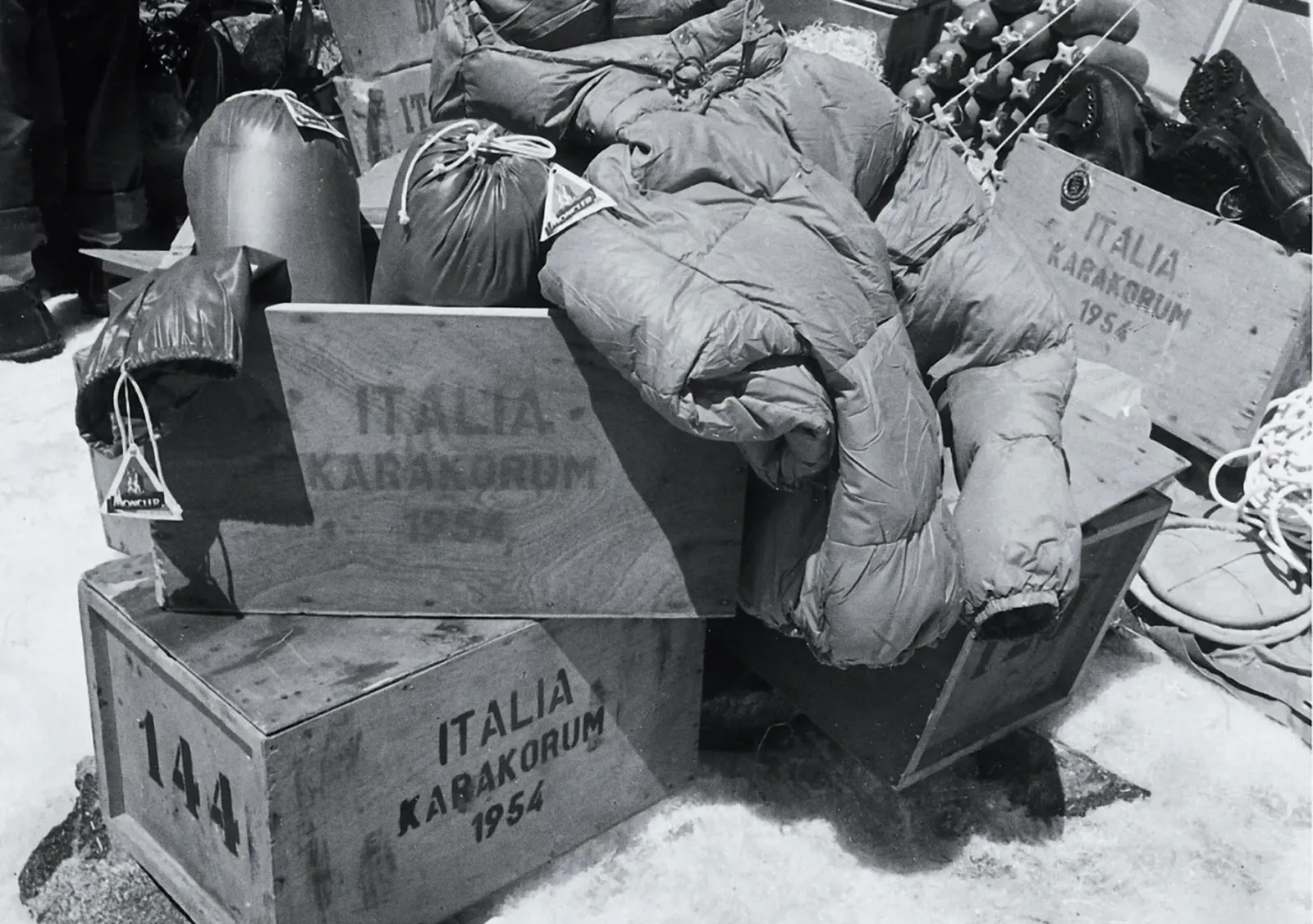
In 1954, Moncler launched the **Karako**, its first commercial down jacket. Featuring thick down insulation, a high neck, and a robust shell, the Karako was engineered for extreme environments. It symbolized the brand’s shift from utility-focused manufacturing to performance-driven innovation.
The K2 Expedition: A Moment of Global Recognition
That same year, Moncler played a key role in one of mountaineering’s greatest achievements—the first successful ascent of **K2**, the world’s second-highest peak. Though climbers wore specialized suits for the summit push, Moncler provided critical down jackets used during acclimatization and at base camp.
The expedition brought unprecedented visibility to the brand. Press photos and documentaries featured Moncler jackets in some of Earth’s harshest conditions, reinforcing the brand’s reputation for reliability and resilience. While Moncler didn’t immediately pivot toward fashion, this moment cemented its status as a trusted name in technical outerwear.
From Mountains to Ski Resorts: The Rise of Lifestyle Appeal
By the 1960s and 70s, skiing had transitioned from a niche activity to a popular winter holiday pursuit across Europe. With growing demand for stylish yet functional cold-weather clothing, Moncler began adapting its designs for recreational skiers.
A major milestone came in **1968**, when Moncler was selected as the official supplier for the French alpine ski team at the Winter Olympics in Grenoble. The team’s jackets featured the French tricolor and sleek silhouettes, blending national pride with modern aesthetics. This exposure helped shift public perception—Moncler was no longer just for climbers, but for athletes and fashion-conscious consumers alike.
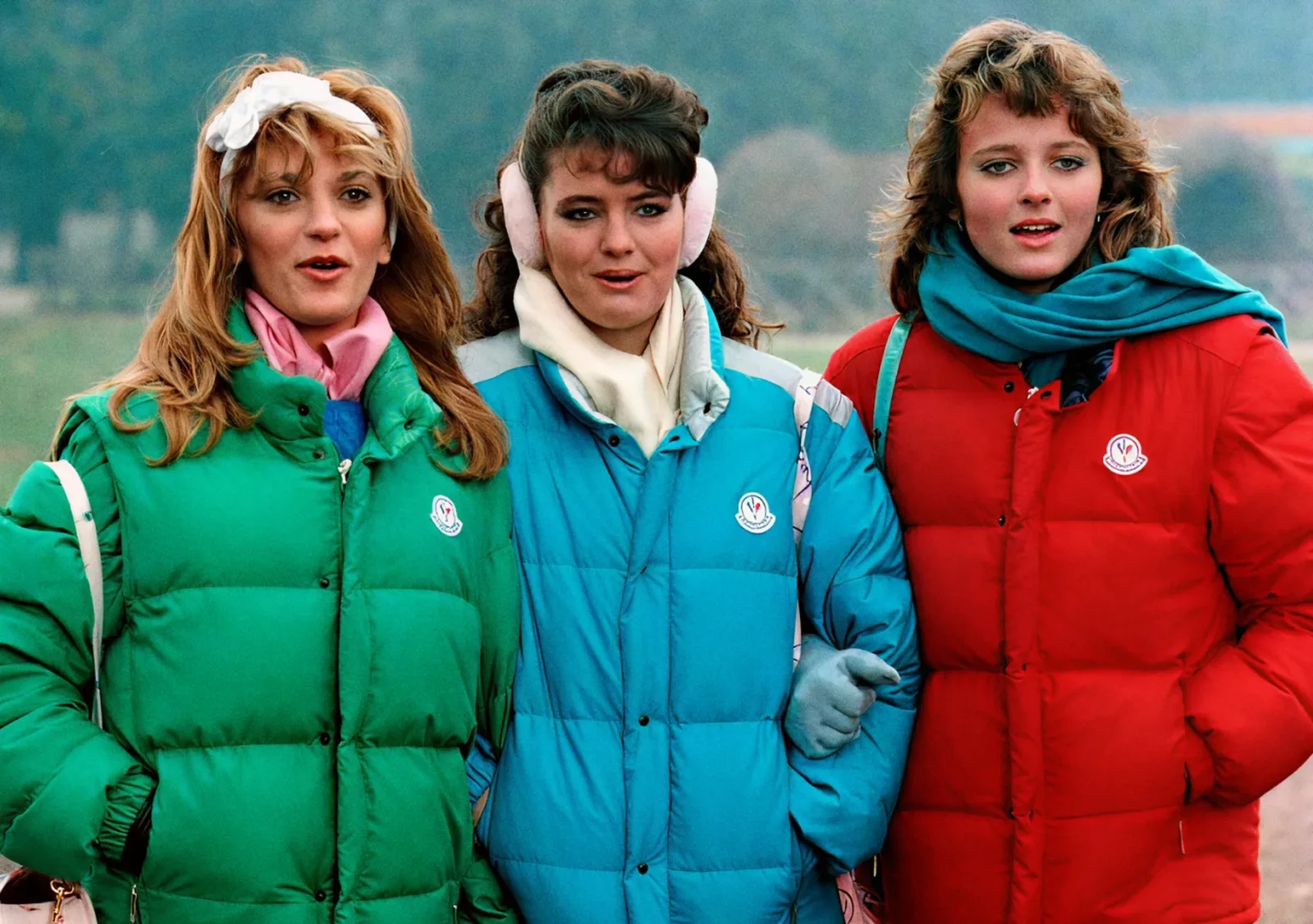
The 1980s marked Moncler’s golden era. As winter tourism expanded, so did demand for apparel that worked both on the slopes and at après-ski lounges. Moncler responded with vibrant colors, glossy finishes, and prominent branding. Its jackets became fixtures in elite ski resorts like Courchevel and St. Moritz, evolving into symbols of status and style.
The Remo Ruffini Era: Rebranding Moncler as Luxury
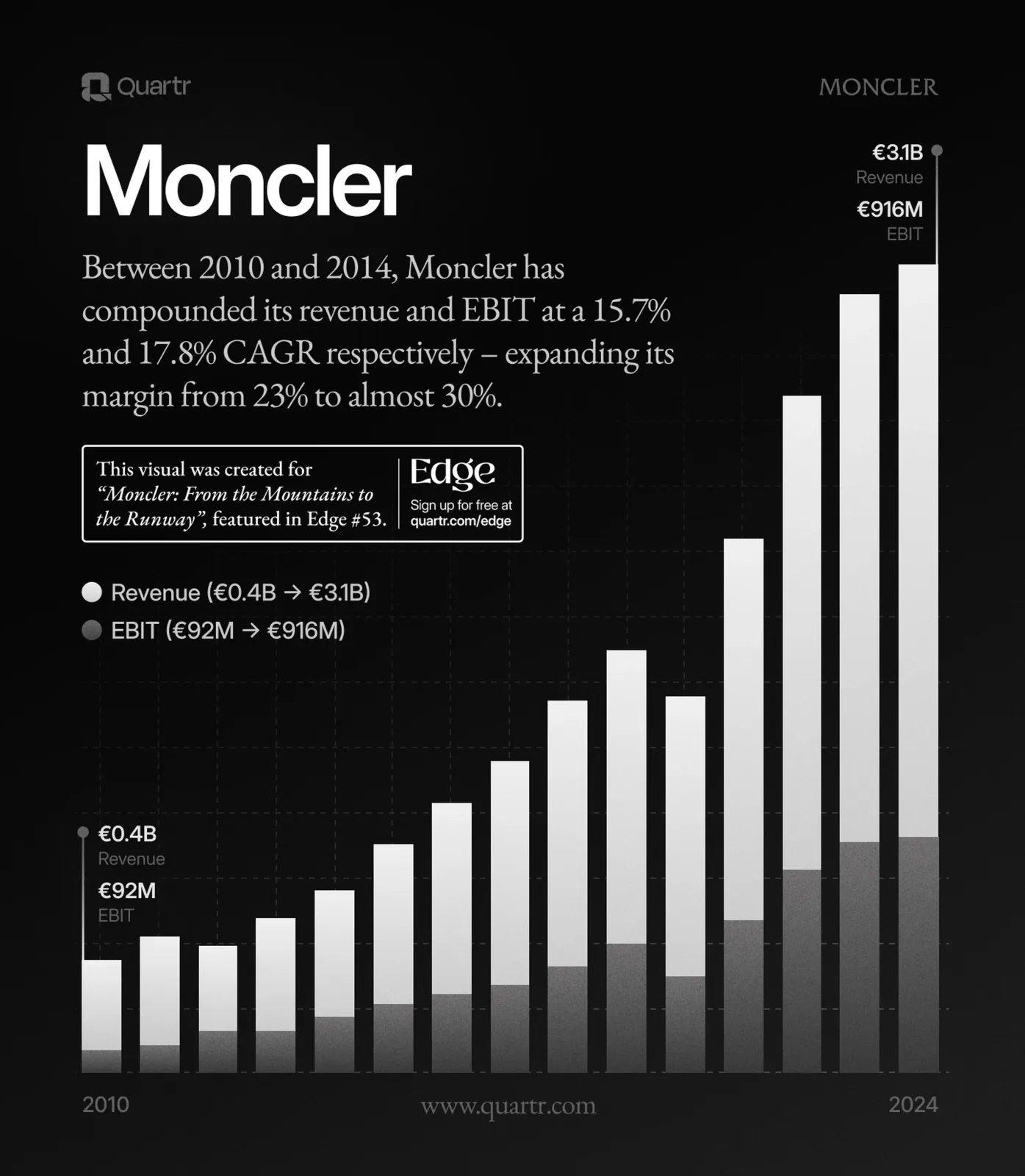
Despite commercial success, Moncler faced instability in the late 20th century due to frequent ownership changes and inconsistent branding. That changed in **2003**, when Italian entrepreneur **Remo Ruffini** acquired the brand and initiated a bold transformation.
Ruffini repositioned Moncler as a luxury fashion house, emphasizing craftsmanship, exclusivity, and innovation. He introduced a new product strategy centered around three pillars:
- **Moncler Collezioni**: High-end ready-to-wear collections
- **Moncler Grenoble**: Contemporary skiwear blending performance and style
- **Moncler Genius**: Collaborative projects with renowned designers like Rick Owens and Palm Angels
Under Ruffini’s leadership, Moncler embraced a monthly release calendar instead of traditional seasonal cycles, keeping the brand dynamic and relevant. The slogan “born in the mountains, living in the city” encapsulated this dual identity—rooted in function, elevated by fashion.
Materials and Craftsmanship: The Heart of Moncler
At the core of every Moncler jacket lies **goose down**, sourced sustainably and certified under the Down Integrity System & Traceability (DIST) Protocol. The brand uses Japanese nylon ripstop for durability and water resistance, often combined with GORE-TEX for breathability and weather protection.
The iconic **felt patch logo**, featuring two mountain peaks and the French cockerel, was adopted after the 1968 Olympic sponsorship. Now a global symbol, it appears on sleeves and stands as a testament to Moncler’s heritage.
Modern Moncler: Fashion Meets Function
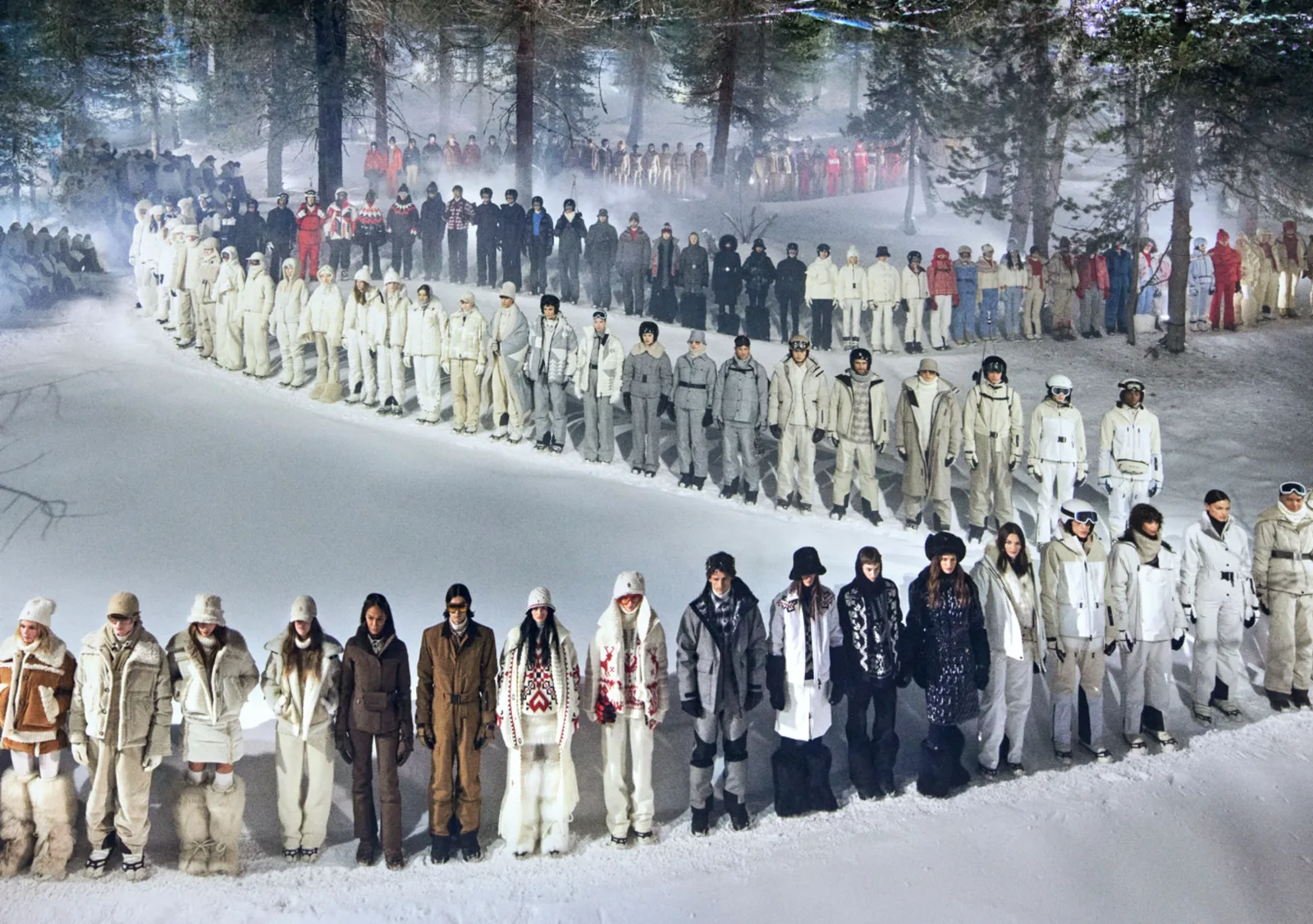
Today, Moncler operates as a global luxury group with a strong presence in the US and UK markets. Its products are worn not only on ski slopes but also on city streets, red carpets, and runways. The brand continues to innovate through collaborations, sustainability initiatives, and digital engagement.
Moncler’s journey—from a small Alpine workshop to a fashion powerhouse—is a story of adaptation, resilience, and vision. It remains committed to its founding values: pushing boundaries, embracing creativity, and protecting the future.
Frequently Asked Questions
**What is the origin of Moncler?**
Moncler was founded in 1952 in Monestier-de-Clermont, France, by René Ramillon and André Vincent to produce functional clothing for mountain workers.
**Why is Moncler famous for its down jackets?**
Moncler pioneered high-performance down jackets using advanced insulation and durable materials, originally developed to protect workers in extreme cold. Their reputation grew through use in major expeditions like K2.
**How did Moncler become a fashion brand?**
After decades of focusing on technical gear, Moncler was rebranded under Remo Ruffini in 2003. He shifted the brand toward luxury fashion through collaborations, innovative design, and global marketing.
**Is Moncler still made in France?**
While the brand originated in France, Moncler’s headquarters are now in Milan, Italy. Many products are manufactured in Europe, with exclusive lines made in Italy.
**What makes Moncler down jackets different?**
Moncler uses premium white goose down, sustainable sourcing practices, and advanced fabrics like GORE-TEX and nylon ripstop. Each jacket undergoes rigorous testing and refinement based on real-world feedback.
Related Searches
- how did Moncler start as a brand
- why is Moncler famous for down jackets
- Moncler vs other luxury brands
- Moncler K2 expedition story
- Moncler founder René Ramillon
- Moncler fashion evolution timeline
- what makes Moncler jackets so warm
- Moncler and Remo Ruffini transformation
- Moncler Genius collaboration meaning
- Moncler down jacket materials explained