Chanel's Iconic Handbags: From the 2.55 to the Boy Bag
The Legacy of Chanel HandbagsChanel handbags are more than accessories—they are symbols of timeless elegance, innovation, and feminist progress in fashion. From the groundbreaking 2.55 to the modern reinterpretation of the Boy Bag, each design reflects a pivotal moment in the brand’s history. This a
The Legacy of Chanel Handbags
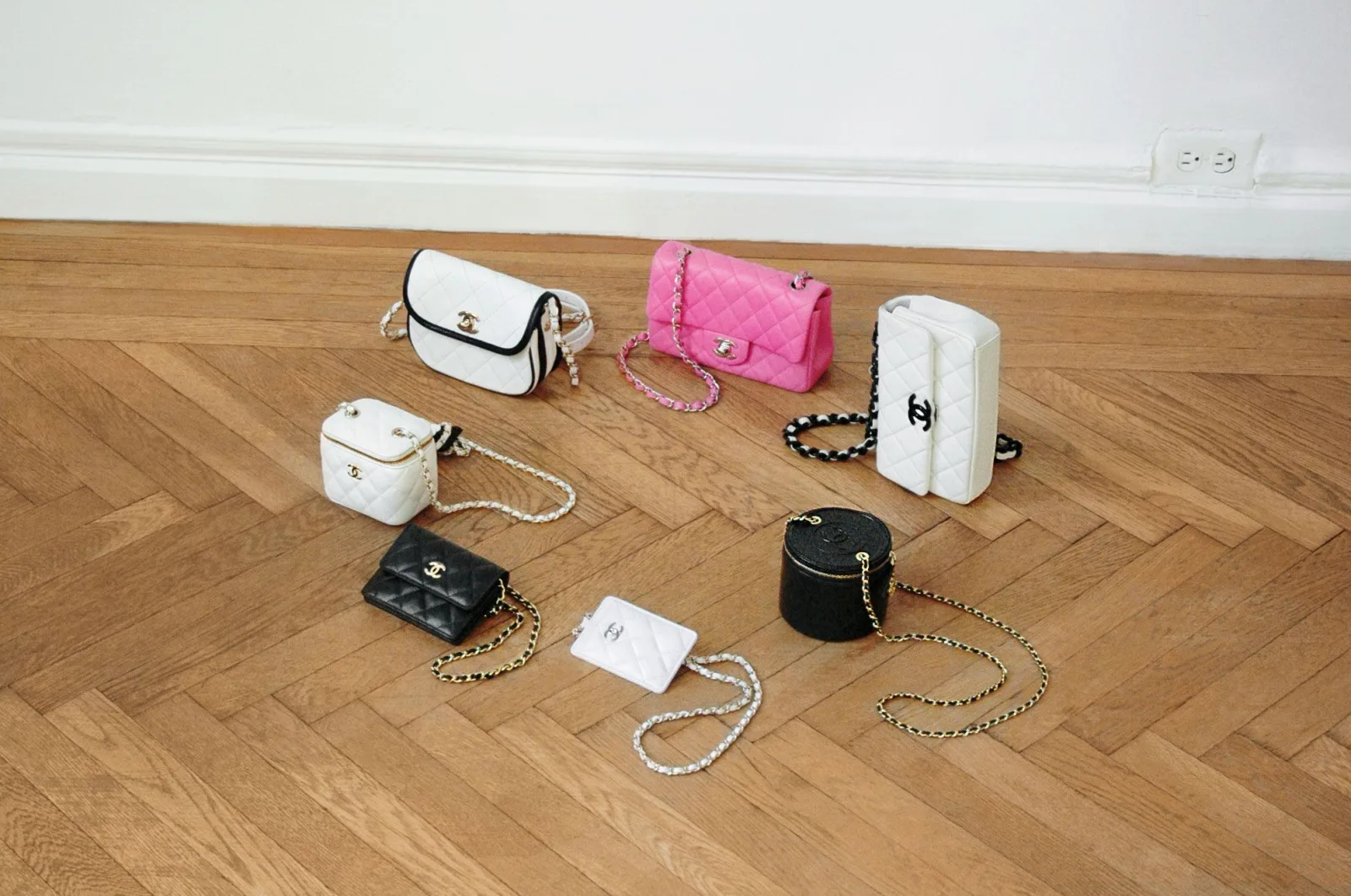
Chanel handbags are more than accessories—they are symbols of timeless elegance, innovation, and feminist progress in fashion. From the groundbreaking 2.55 to the modern reinterpretation of the Boy Bag, each design reflects a pivotal moment in the brand’s history. This article traces the origins, design elements, and cultural impact of three of Chanel’s most celebrated bags: the **2.55**, the **Classic Flap**, and the **Boy Bag**.
The Birth of the 2.55: A Revolution in Practicality
Introduced in February 1955, the **Chanel 2.55** was named after its debut month and year (February 1955). Designed by Gabrielle "Coco" Chanel herself, it was revolutionary for its time—a shoulder bag with a chain strap that freed women’s hands, challenging traditional notions of femininity and utility.
The bag’s quilted exterior has been described as inspired by saddle blankets from horse races Coco frequented or by the quilted jackets worn by jockeys in her youth. The chain strap drew inspiration from the keys carried by nuns during her time at a Catholic orphanage, though some sources also reference WWI soldiers’ packs as an influence. The interior is lined in burgundy, said to match the uniforms she wore as a child, adding a deeply personal touch to the design.
Initially crafted from jersey fabric—then used only for men’s underwear—the 2.55 scandalized society but ultimately redefined what a woman’s bag could be. It featured a rectangular lock known as the *Mademoiselle* clasp, symbolizing Coco’s lifelong independence and refusal to marry.
In 2005, Karl Lagerfeld released a commemorative version of the 2.55 to celebrate its 50th anniversary, reintroducing it with distressed lambskin and original hardware. This release helped elevate the bag to *It-bag* status, cementing its place in fashion history.
The Classic Flap: Lagerfeld’s Modern Reimagining
After Coco Chanel’s death in 1971, Karl Lagerfeld took creative control of the house in 1983. He sought to revive the brand’s legacy by updating the 2.55 into what would become the **Classic Flap** (style code A01112).
While retaining the quilted leather and chain strap, Lagerfeld introduced several key changes:
- Replaced the Mademoiselle lock with interlocking CC logos.
- Wove leather through the metal chain for added comfort and versatility.
- Introduced chevron quilting alongside the classic diamond pattern.
These modifications gave the bag a more refined, contemporary look while maintaining its heritage. The Classic Flap became available in multiple sizes—from Mini to Maxi—and materials including caviar leather, tweed, and patent finishes.
Unlike the original 2.55, which had a double flap for structure, early versions of the Classic Flap featured a single flap for lighter weight. However, due to demand for durability, the double-flap option was later reintroduced.
Today, the Classic Flap remains one of the most coveted handbags globally, embodying both luxury and practicality.
The Chanel Boy Bag: A Bold New Chapter
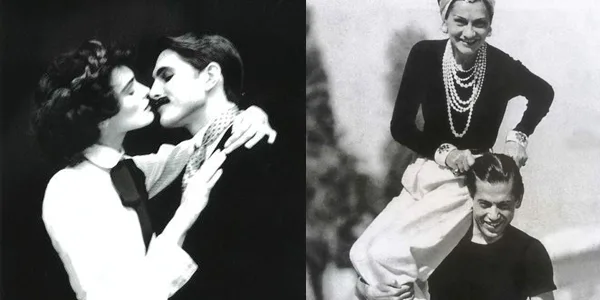
Launched in fall 2011, the **Chanel Boy Bag** marked a departure from tradition. Named in honor of Arthur "Boy" Capel, Coco Chanel’s longtime lover and muse, the bag also references her boyish spirit—her love of sports, simplicity, and rebellion against convention.
Designed by Karl Lagerfeld, the Boy Bag features a boxier silhouette compared to the softer curves of the 2.55 and Classic Flap. Its hardware is finished in gunmetal rather than gold, giving it a more masculine, edgy appeal.
Instead of a braided chain, the Boy Bag uses a flat leather strap designed to rest on the shoulder or arm, offering a different wear style. Some sources describe the handle as a coarse chain, indicating variation in design interpretation. The interior lining is cloth rather than leather, distinguishing it further from other Chanel bags.
The bag has been released in various materials, including calfskin, exotic leathers, and even PVC, and comes in small, medium, and large sizes. Its popularity among celebrities and fashion enthusiasts has made it a staple in the resale market.
Design Inspirations and Cultural Impact
Each of these bags carries deep symbolic meaning:
- The **2.55** represents liberation and practicality.
- The **Classic Flap** embodies refinement and continuity.
- The **Boy Bag** reflects modernity and gender fluidity.
Together, they showcase how Chanel has evolved while staying true to its roots—balancing innovation with heritage.
Market Status and Investment Value
All three bags hold strong value in the secondary market. The 2.55 and Classic Flap are often considered investment pieces due to their enduring popularity and limited production runs. The Boy Bag, though newer, has quickly gained collector status thanks to its unique design and association with Lagerfeld’s final era at the brand.
For collectors and fashion lovers alike, owning any of these bags means possessing a piece of fashion history.
Frequently Asked Questions
**What makes the Chanel 2.55 so iconic?**
The 2.55 is iconic because it was the first handbag to feature a chain strap, allowing women to carry their belongings hands-free. Its quilted design, burgundy interior, and Mademoiselle clasp make it instantly recognizable and deeply tied to Coco Chanel’s personal story.
**How is the Classic Flap different from the 2.55?**
The Classic Flap features interlocking CC hardware instead of the Mademoiselle clasp, leather-woven chains, and is available in multiple sizes and materials. It also offers both single and double-flap options, whereas the 2.55 traditionally has a double flap.
**Why is the Boy Bag called 'Boy'?**
The name honors Arthur "Boy" Capel, Coco Chanel’s lover and business partner, as well as her own boyish personality and love of sporty, minimalist styles.
**Are Chanel handbags worth investing in?**
Yes, especially models like the 2.55, Classic Flap, and Boy Bag. Their craftsmanship, brand prestige, and limited availability contribute to strong resale value over time.
**Can I find vintage Chanel bags in good condition?**
Yes, many reputable pre-owned retailers offer authenticated vintage Chanel bags. Look for consistent stitching, original hardware, and proper care labels to ensure authenticity.
Related Searches
- history of the Chanel 2.55 bag
- difference between Chanel 2.55 and Classic Flap
- why is the Chanel bag called Boy Bag
- Chanel Boy Bag vs Classic Flap
- Chanel 2.55 reissue 2005
- original Chanel 2.55 design
- Chanel handbag investment value
- how to identify authentic Chanel bags
- Chanel Classic Flap sizes
- Chanel Boy Bag hardware color